 Avo's Kitchen thali at Brombay Brasserie for Coastal Kissa
This isn’t your everyday thali, but then this isn’t your everyday popup. Something only modern Indian cuisine experts – who capture the soul of India in a dish, with French-style conviviality, like Bombay Brasserie, can do so successfully with a much-loved Goan eatery, Avo’s Kitchen, bringing its famous Goan thali (served there on a banana leaf) to Gurgaon (minus the banana leaf)! until 7 th June, 2026 at the CyberHub, Gurgaon, after which it travels to Mumbai – Bombay Brasserie, Colaba, from 12 th -14 th June.
Avo’s Kitchen, founded by brothers Amey Naik and Gaurish Naik, has somewhat of a cult status back in Goa, over almost 17 years, due in most part to the fact that their mum has used many of her Saraswat Konkani recipes (which are vegetarian), and combined these with local Goan delicacies such as Pomfret Fry and Chicken Vindaloo, which are being served in Gurgaon in the non-vegetarian thali.
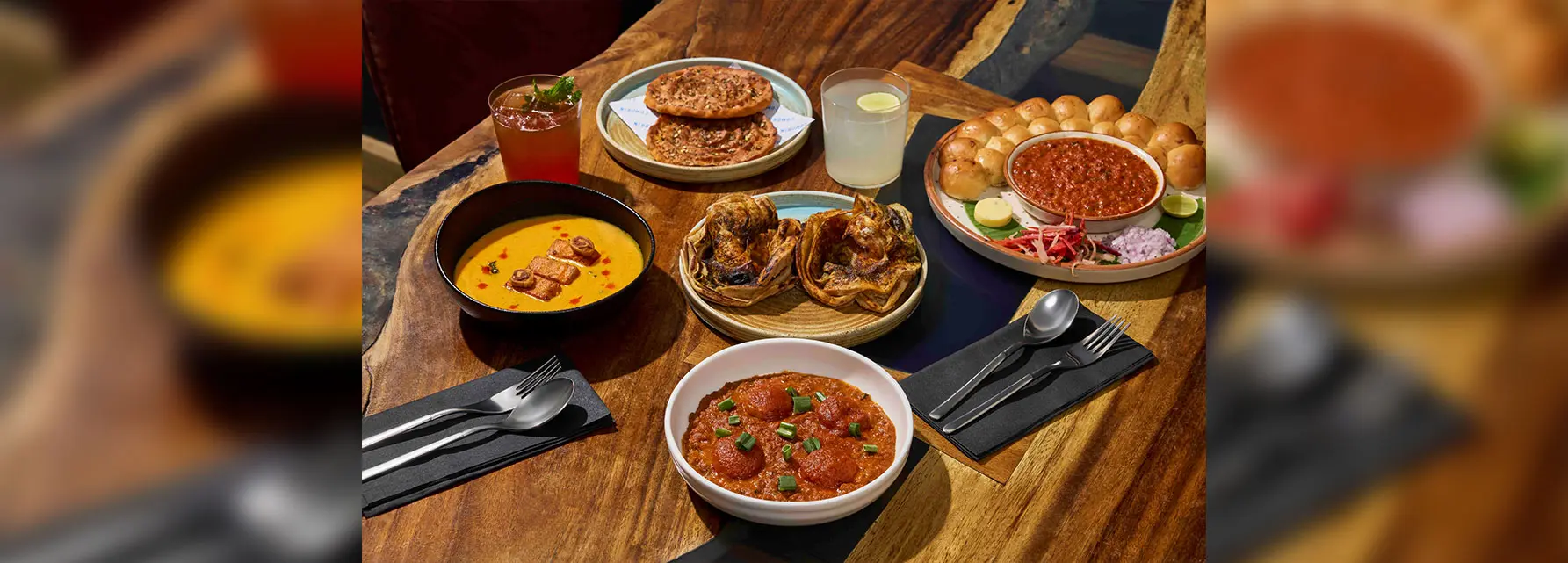
Vegetarians, such as myself, enjoyed such delicacies as Amlechi Uddamethi, a sweet and sour mango Goan curry, Mushroom Sukke, button mushrooms tossed in a special Goan Masala, a fragrant Bhenyachi Bhaji, stir-fried okra with onions and fresh coconut, Sol Kadi, a kokum cooler, a semolina Kapa, vegetables fried until crisp, and a sweet potato dumpling with grated coconut and jaggery to end the meal on a sweet note.
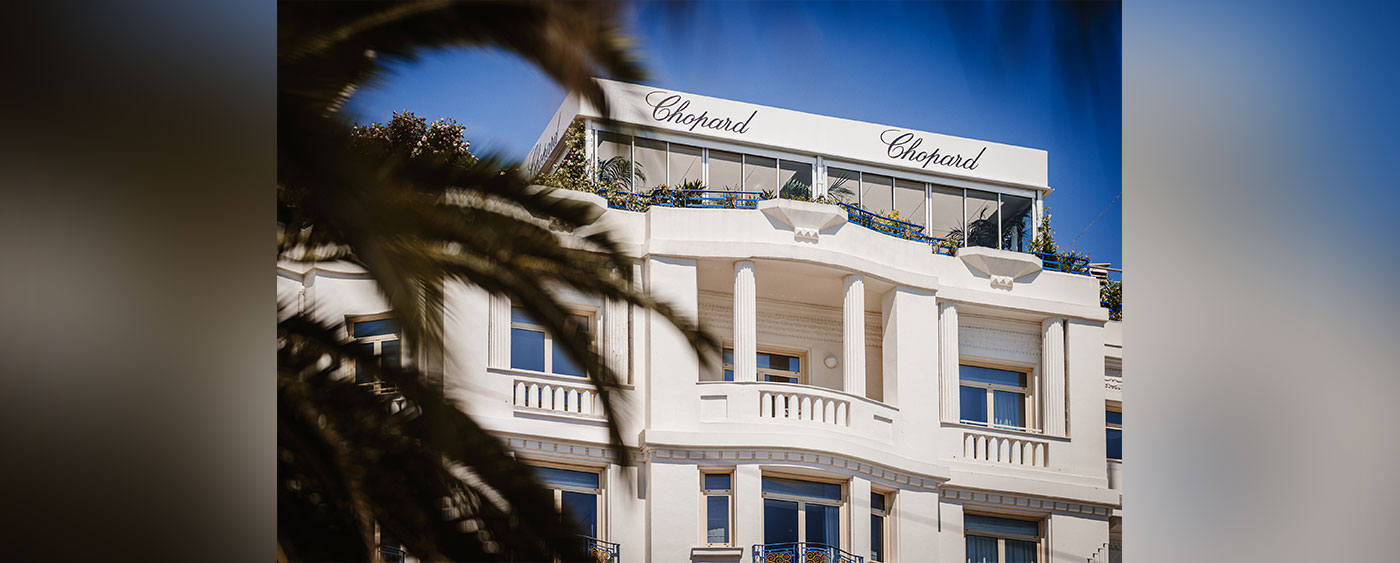
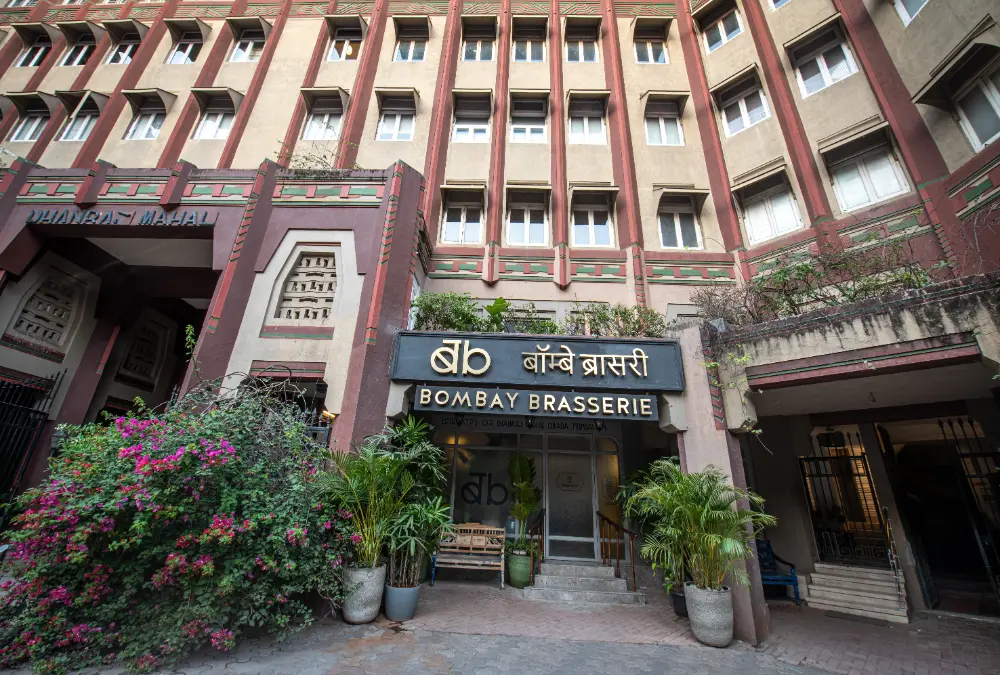 Bombay Brasserie in Colaba
Chetan Bolar, Executive Chef, Bombay Brasserie tells us about this collab that introduces diners to the 7,500-kilometre coastline from Kutch to Bengal, via the Malabar coast!
(LI) How did you at Bombay Brasserie, did you decide to team up with Avo's Kitchen?
(CB) Coastal Kissa was created as a platform for Bombay Brasserie to explore and celebrate the stories, communities and culinary traditions that shape India's coastline. As we thought about the first chapter, we wanted to begin with a story that felt authentic, deeply rooted and representative of coastal cuisine and hospitality.
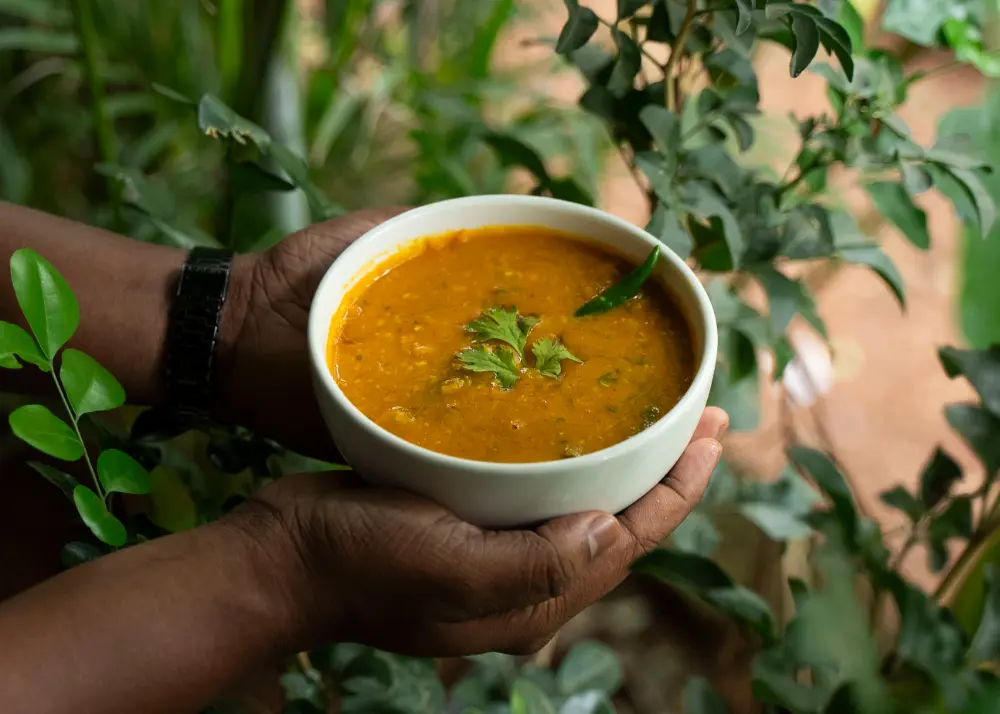 Dalicho Ross, a dal curry
Avo's Kitchen was a natural choice because it aligns incredibly well with honest, home-style Goan cooking and has built a strong connection with locals through generations-old family recipes. For us, this collaboration wasn't just about showcasing Goan food, it was about bringing an authentic coastal story to our guests and setting the tone for what Coastal Kissa aims to become: a celebration of regional food cultures and the people preserving them.
Today, Coastal cuisine is the rage – what is this regional cuisine offering that is so different for the palate – in terms of unique spices, curries and podis?
Coastal cuisine offers an incredible depth of flavour that is distinctly different from many other regional Indian cuisines. What makes it special is its seamless balance of spice, acidity, freshness and texture. Along India's western coastline ingredients such as kokum, tamarind, fresh coconut curry leaves, coastal chillies and native spice blends create dishes that are vibrant. What resonates with today's palate is the cuisine's ability to be both comforting and exciting, rich in flavour without being overly heavy, and deeply rooted in regional identity while remaining accessible to a modern audience.
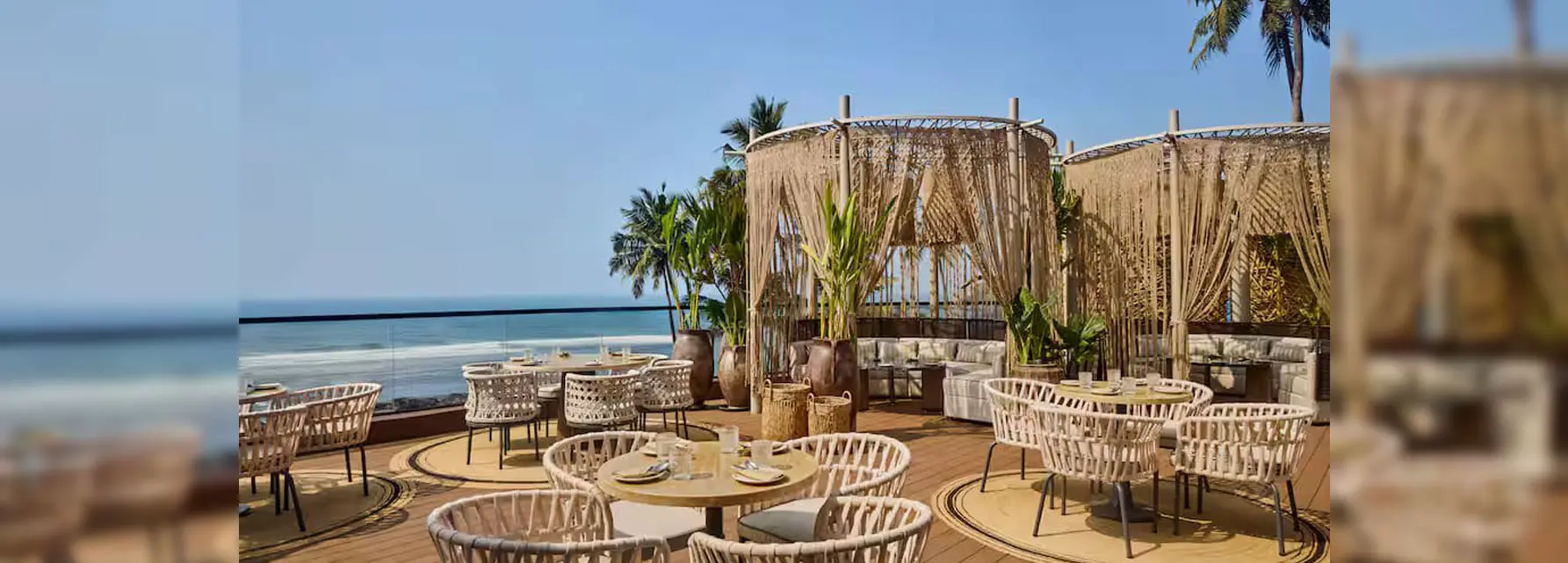
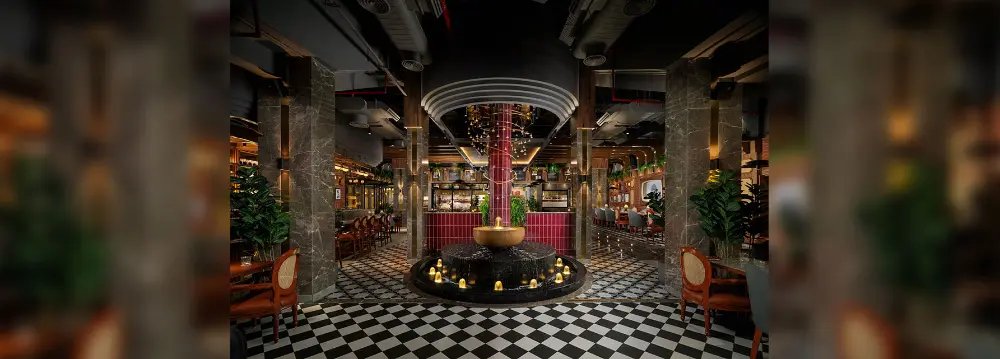
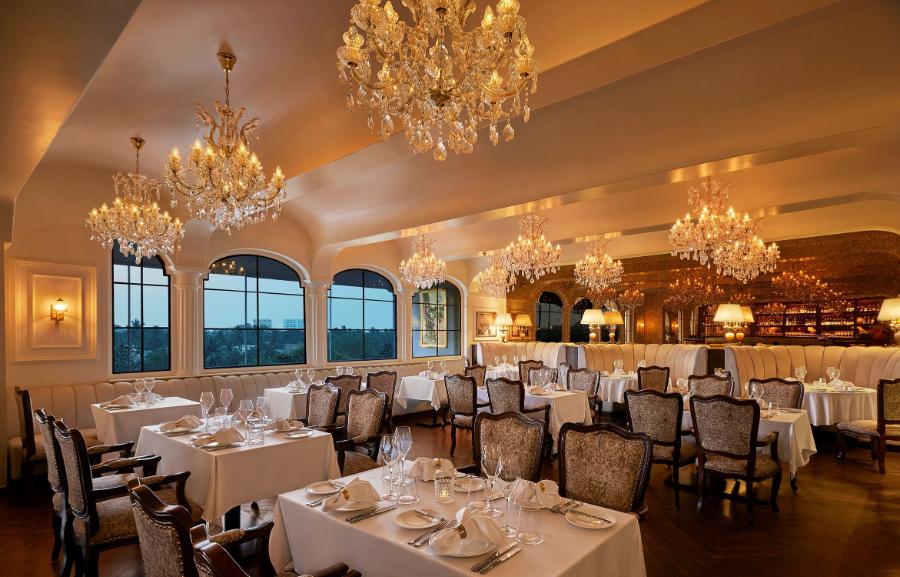
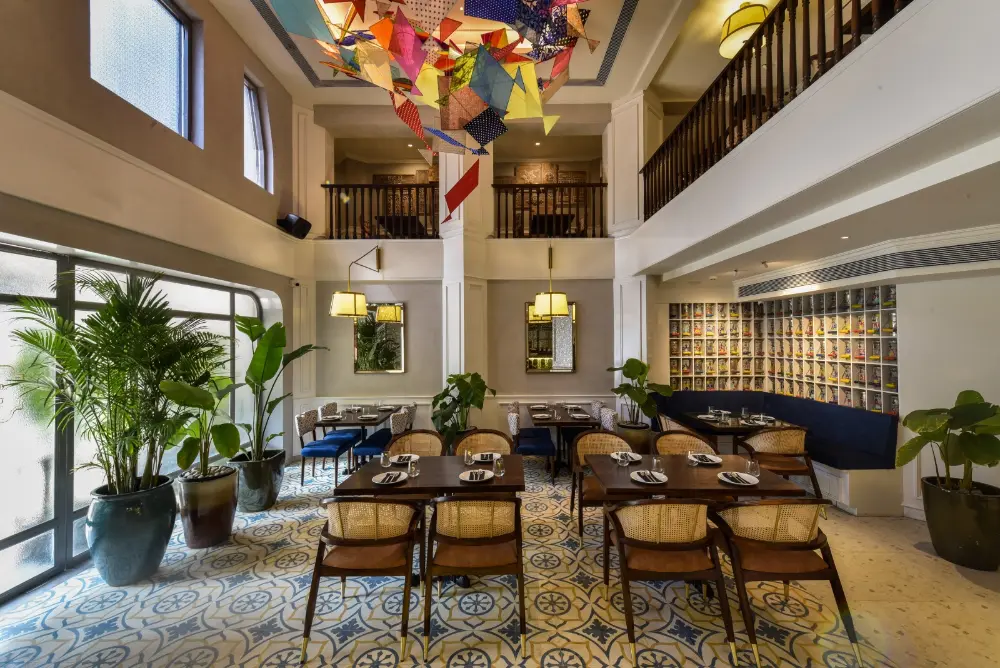 Interiors of Colaba's Bombay Brasserie
At Bombay Brasserie, Coastal Kissa was our way of exploring these regional nuances and presenting them through our own lens of storytelling and reinvention, while staying true to the essence of the original flavours. We see diners increasingly gravitate towards regional cuisines that tell a story of place and tradition.
Coastal food delivers exactly that, whether it's the tang of a Goan fish curry, the cooling refreshment of sol kadi, the earthy warmth of a Konkani coconut-based curry, or the robust flavours of housemade podis and masalas, these preparations showcase centuries of cultural exchange, local ingredients and time honoured cooking techniques. Our collaboration with Avo’s Kitchen is an opportunity to celebrate these rich culinary traditions and bring the flavours of Goa and the Konkan coast to a wider audience.
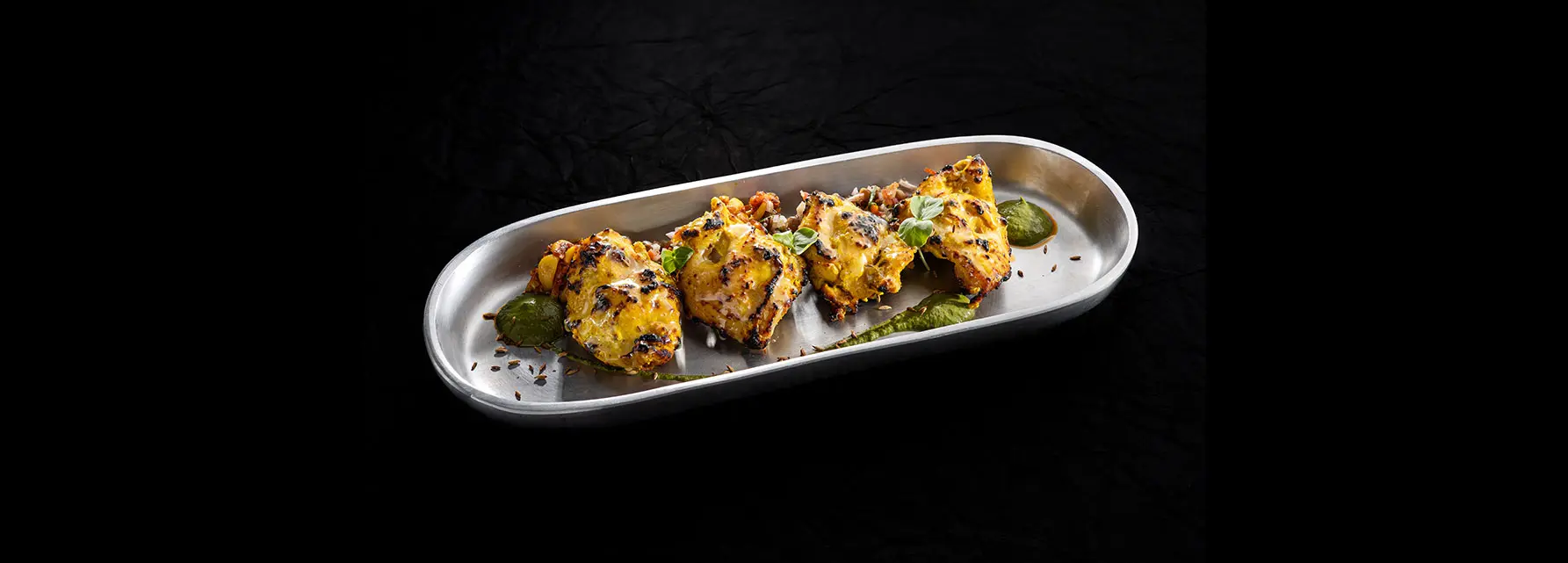
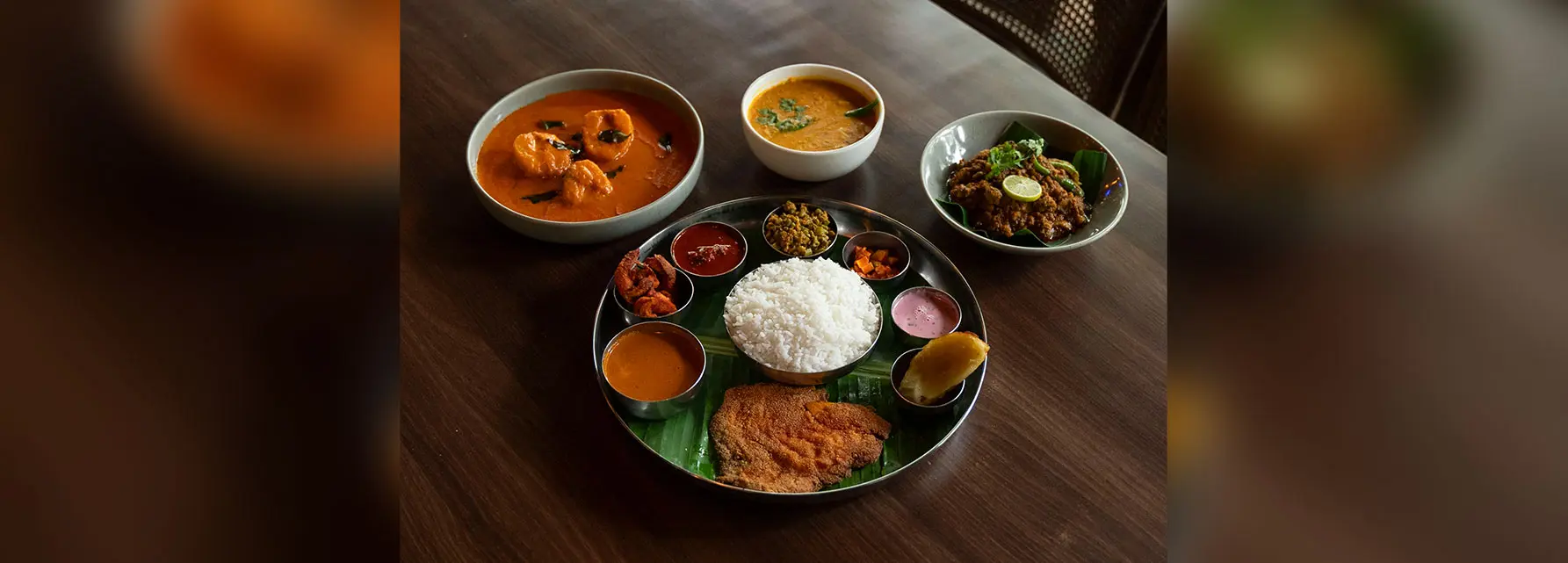
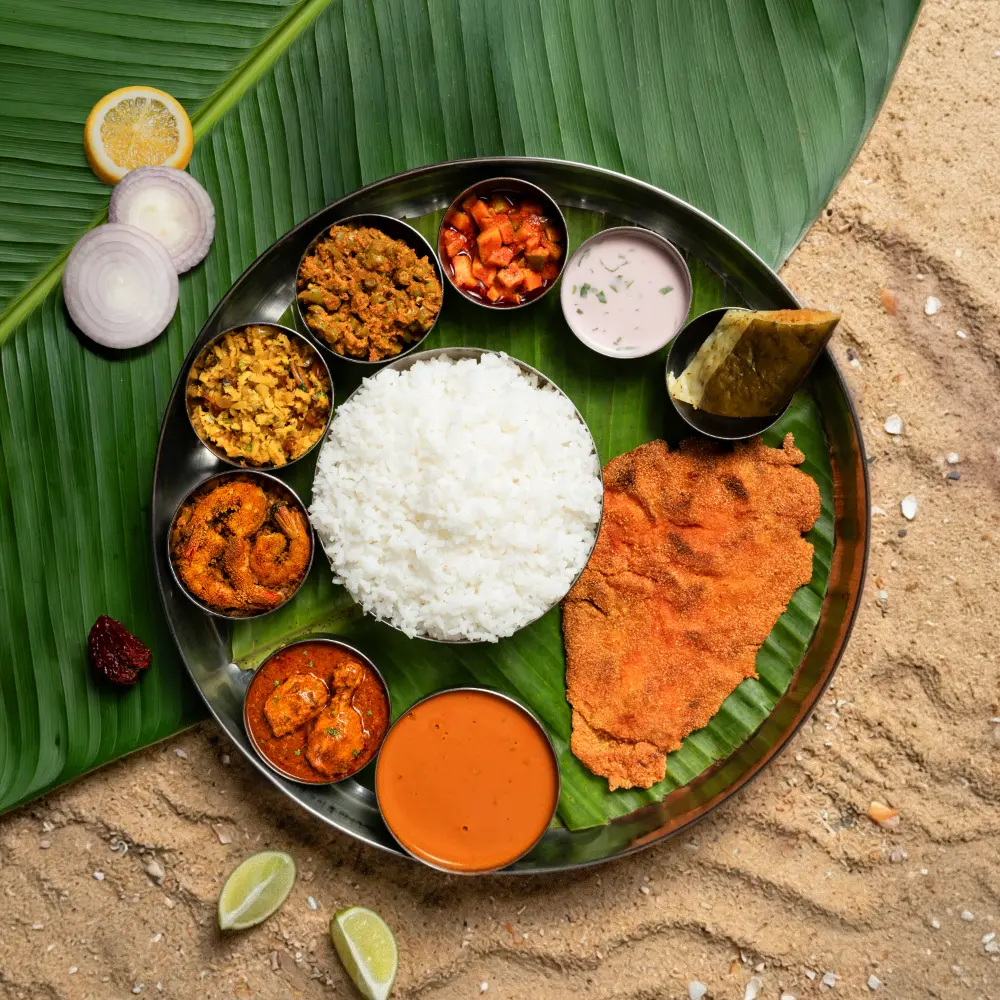
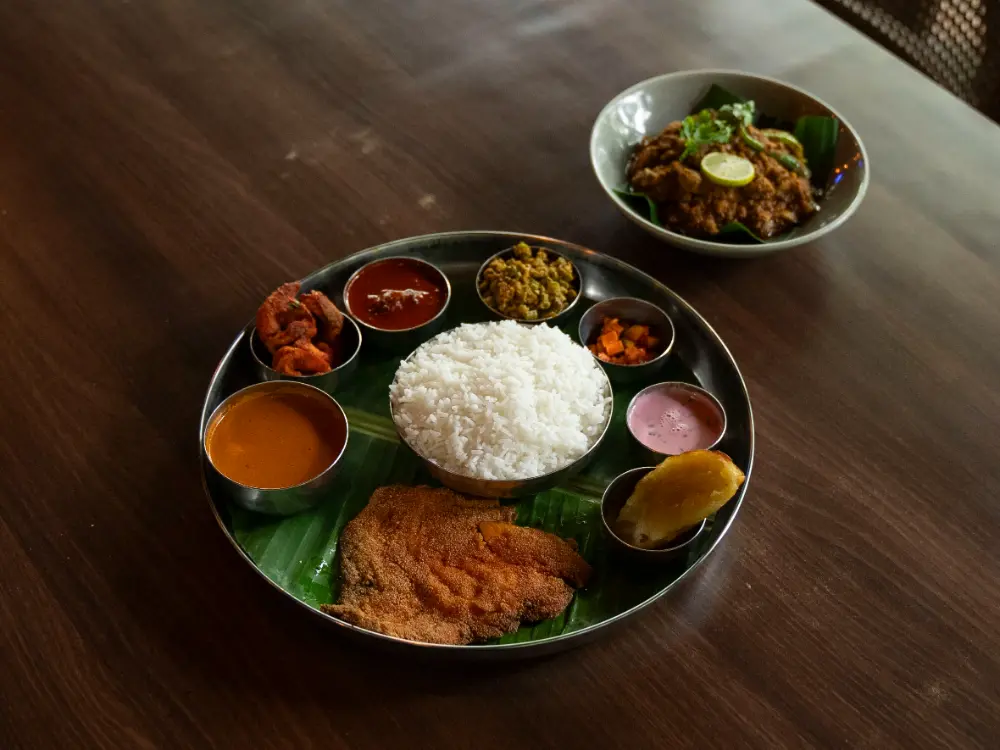 The non-vegetarian thali with pomfret fry, prawns, and chicken vindaloo
Amey Naik, Owner, Avo’s Kitchen, shares that Goan Konkani cuisine was vegetarian, but there has been a distinct Portuguese influence.
(LI) What is the meeting point between Goan and Konkani cuisines? If you could please give an historical context?
(AN) Before Portuguese rule began in 1510, Goan food was rooted in local Konkani cooking, with rice, coconut, seafood, kokum, tamarind, and native spices forming the backbone of everyday meals. Fish curry and rice became the staple diet of the coastal population, while communities developed vegetarian dishes flavored with coconut and seasonal vegetables.
The arrival of the Portuguese dramatically transformed Goan cuisine. They introduced ingredients that had travelled from the Americas, including chillies, potatoes, tomatoes, pineapples, cashews, and papayas. Among these, the red chilli became especially important, giving Goan dishes their characteristic heat and vibrant colour.
Portuguese influence also led to the development of Goa’s famous Catholic cuisine. Vinegar – particularly coconut toddy vinegar – became widely used in marinades and curries. Iconic dishes such as vindaloo evolved from the Portuguese dish carne de vinha d’alhos, a preparation of meat with wine and garlic. Similarly, sorpotel, xacuti, and bebinca reflect the fusion of European techniques with Indian spices and local ingredients.
Seafood remains central to Goan food culture due to the region’s long coastline along the Arabian Sea. Prawns, mackerel, pomfret, crab, and shellfish are commonly featured in curries, fries, and pickles. Coconut milk and freshly grated coconut continue to define many traditional recipes.
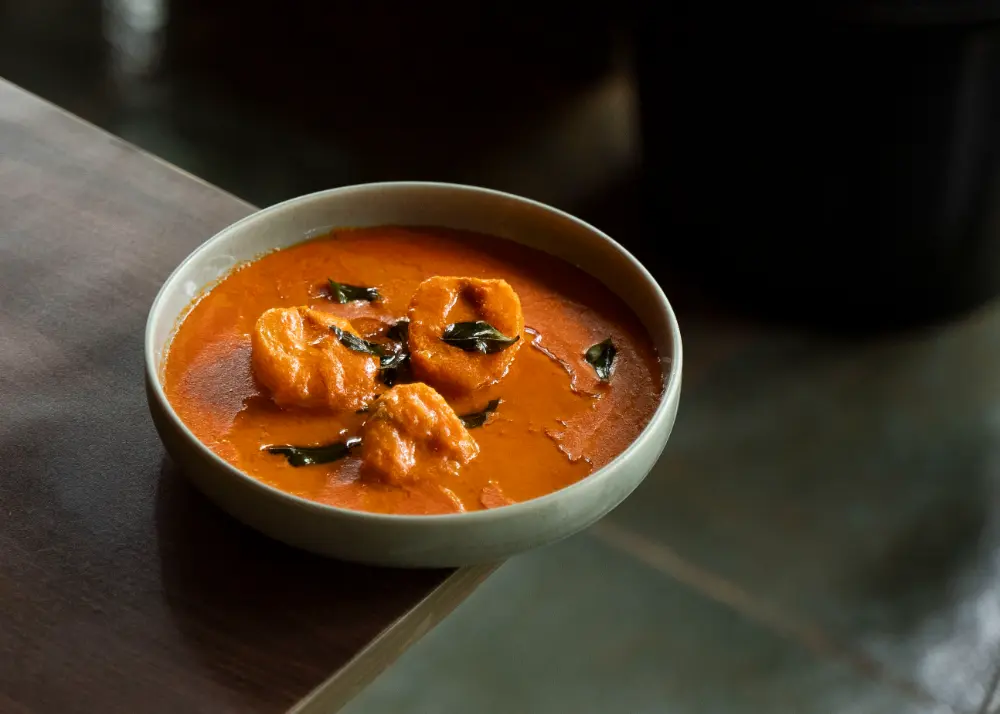 Amlechi Uddamethi, a raw mango Goan curry
What has been the guiding culinary force of Avo's Kitchen, in terms of your vision?
At Avos Kitchen Assagao, the vision is simple yet deeply meaningful – to preserve the soul of authentic Goan cuisine by bringing generations of family recipes to the table with honesty, warmth, and tradition. Rooted in the rich culinary heritage of Goa, Avo’s Kitchen celebrates the flavours of home-cooked meals once prepared in ancestral kitchens, where recipes were passed down through mothers, grandmothers, and family gatherings.
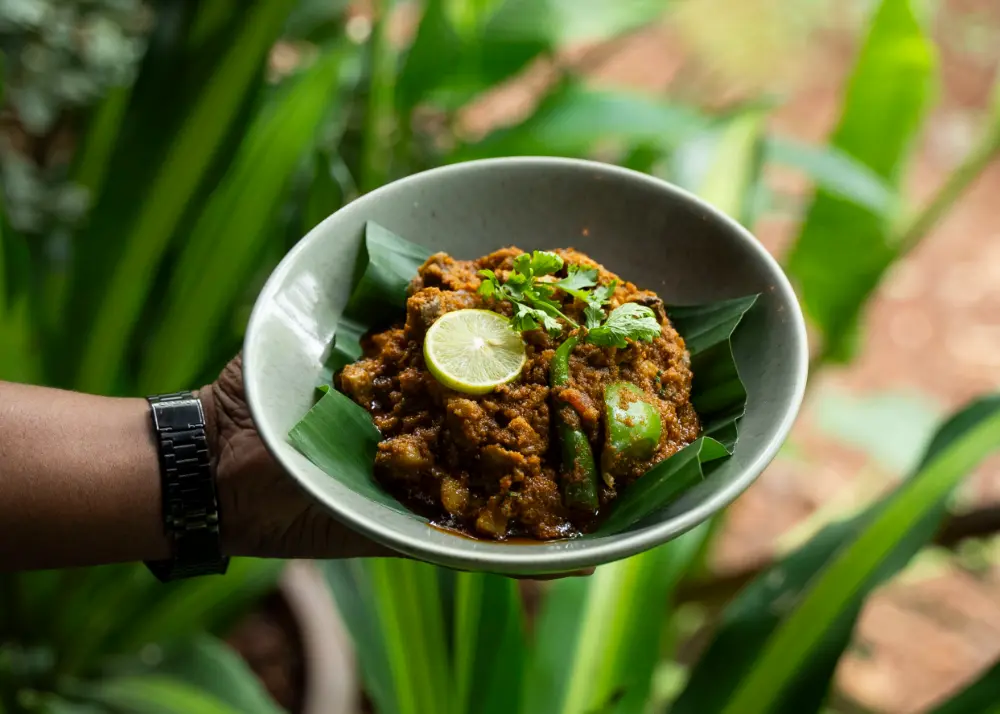 Mushroom Sukke, button mushrooms tossed in a Goan masala
What does coastal cuisine mean to you and how does it affect Goan cuisine?
What makes Goan cuisine truly unique within India’s diverse culinary landscape is its remarkable balance of coastal freshness, Portuguese influence, and deeply rooted Konkani traditions. Unlike many regional Indian cuisines that are primarily defined by heat or heavy spice, Goan food is layered with tangy, sweet, smoky, and mildly spiced flavoors that create a distinctive and globally appealing palate.
The way the food is presented, on the thali, is so aesthetically pleasing, yet ecological. What are some of the traditional presentations that you have kept?
A traditional Avo’s Kitchen Thali begins with steamed rice, the staple of every Goan meal, accompanied by a soulful prawns or fish curry prepared with freshly ground coconut, local spices, and kokum for its characteristic tang. Alongside this are seasonal vegetable preparations, often inspired by village-style cooking, featuring ingredients such as okra, dill leaves, white radish, beans, red amaranth leaves, tempered with coconut and mild spices.
Depending on the day’s menu, guests may enjoy crispy Rawa fried fish marinated in traditional masala. To balance the flavours, the thali includes homemade pickles, kismur (a dry shrimp and coconut preparation), Teesreo suke (clams preparation), that add texture and contrast.
Traditional sol kadi – a refreshing kokum and coconut drink – is often served as a cooling digestive that completes the meal. Desserts in the thali pay homage to Goa’s festive traditions, with offerings such as Kangachi Nevari or Patoleo.
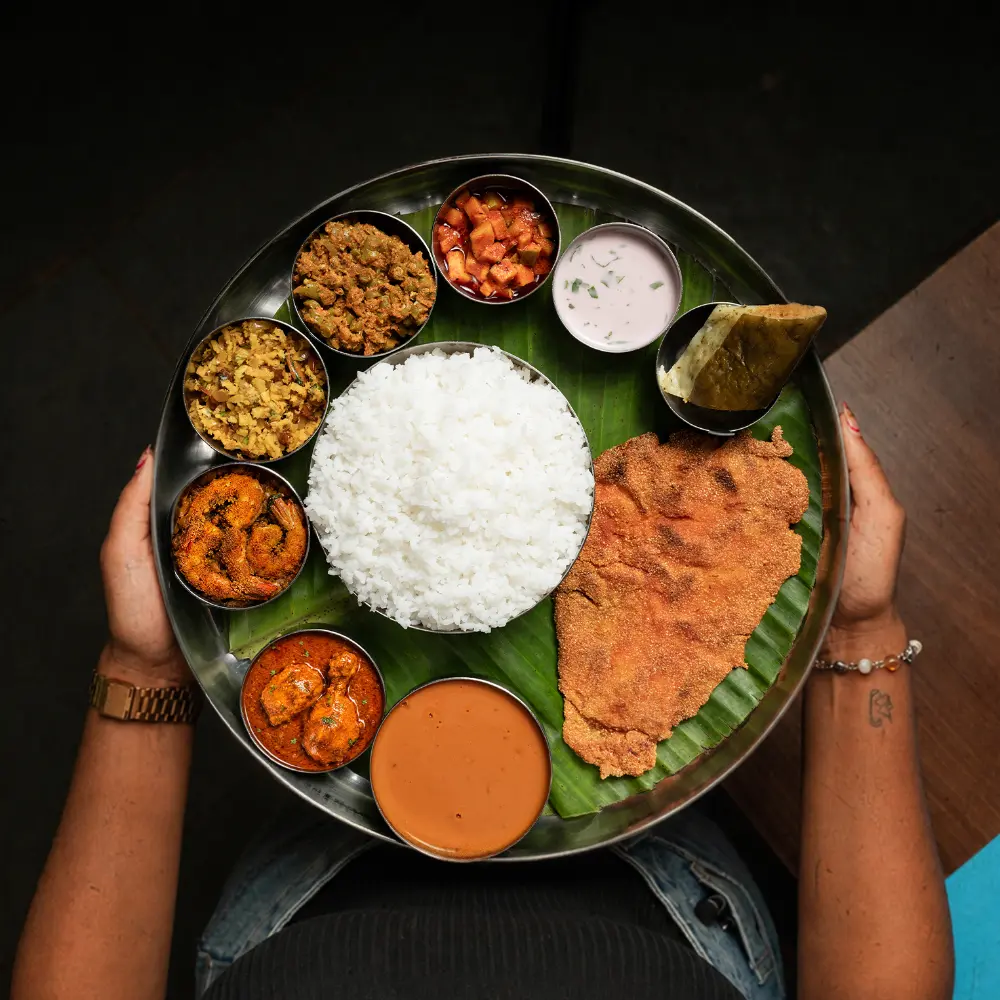 The pomfret, prawns and chicken vindaloo are a big part of the non-veg thali
In terms of specific dishes, if you could please tell us about Sol Kadi which is so popular right now, and what goes into it, also your Goan fish curry, and the Chicken Vindaloo - which has a Portuguese touch?
Sol Kadi is Goa’s traditional cooling digestive drink made with kokum and fresh coconut milk – light, tangy, refreshing, and deeply rooted in coastal Konkani cuisine. Traditional Goan fish curry is a comforting coastal curry made with fresh fish, coconut, Chillies, coriander seeds and kokum – mildly spiced, tangy, and full of authentic Goan flavour. Chicken Vindaloo is a bold and flavourful Goan curry made with slow-cooked chicken, vinegar, garlic, red chilli paste and spices – tangy, spicy, and deeply influenced by Portuguese heritage.
And for the vegetarians - what are the most popular dishes at Avo's Kitchen - and do you get all your vegetables locally in Goa?
At Avo’s Kitchen Assagao, the vegetarian offerings are a heartfelt celebration of Goa’s traditional home-style cooking, showcasing recipes that are deeply rooted in local culture and seasonal living. While Goan cuisine is often associated with seafood, the region’s vegetarian dishes are equally rich in flavor, nutrition, and heritage.
The menu features authentic preparations such as Sansav, a sweet and tangy coconut-based curry traditionally made with seasonal vegetables; Uddamethi, a comforting Konkani-style lentil and fenugreek preparation; and Tonak, a flavorful roasted coconut curry prepared with legumes or mushrooms. Guests also enjoy nourishing village-style vegetable dishes like Shepuchi Bhaji made with fresh dill leaves, Tambdi Bhaji prepared using local red amaranth greens, and the much-loved Mushroom Xacuti, where earthy mushrooms are cooked in a fragrant roasted spice and coconut gravy.
Do you also have the chorizo sausage, and other Portuguese touches?
We don’t have chorizo on our menu. But other offerings influenced by Portuguese cuisine consist of seafood, chicken, mutton and vegetables.
What will be your way to end the meal?
The best way to end a wholesome Goan meal is with a traditional dessert and a chilled glass of Sol Kadi – comforting, refreshing, and truly satisfying.
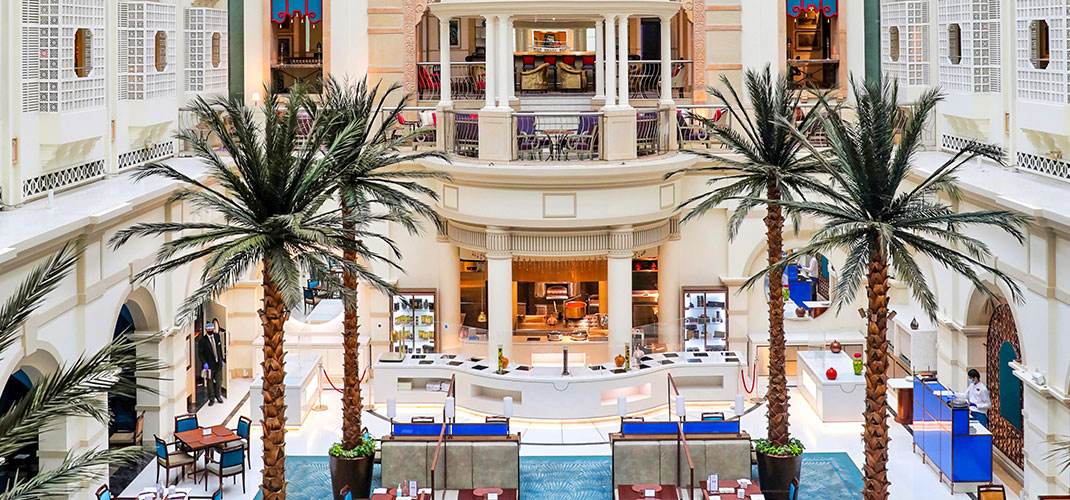
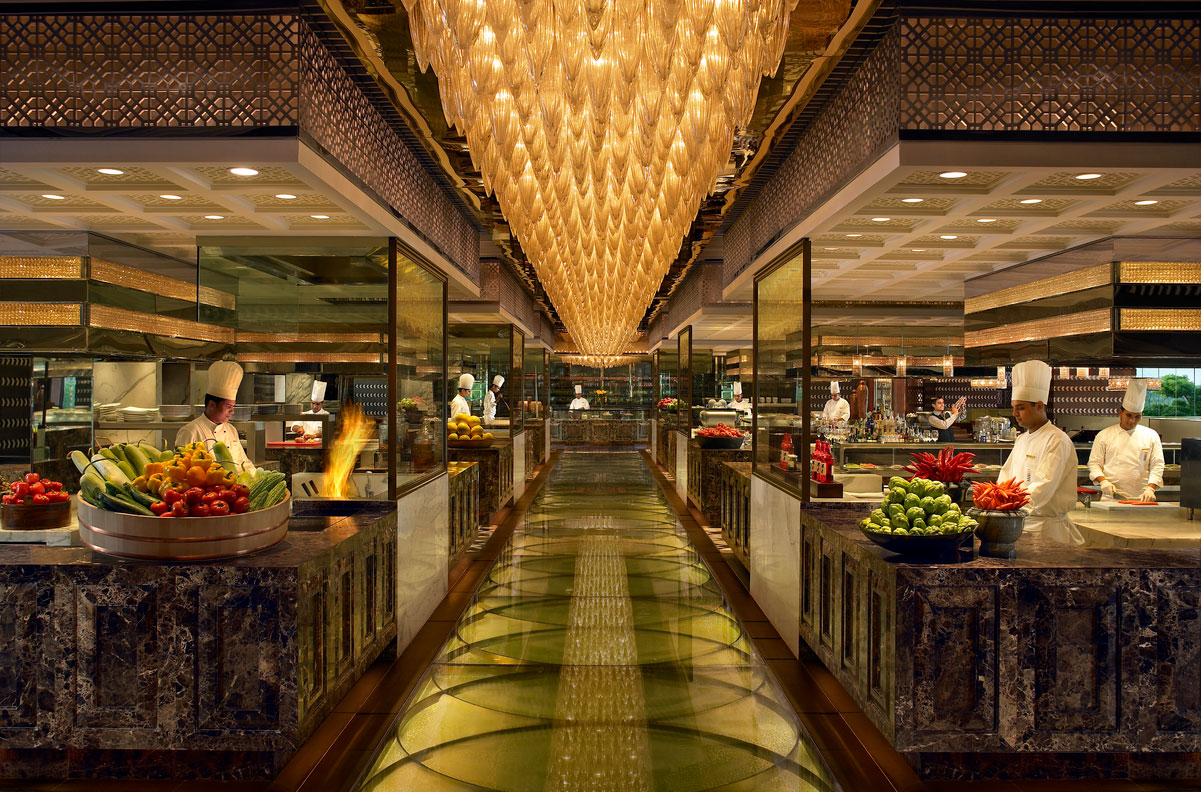
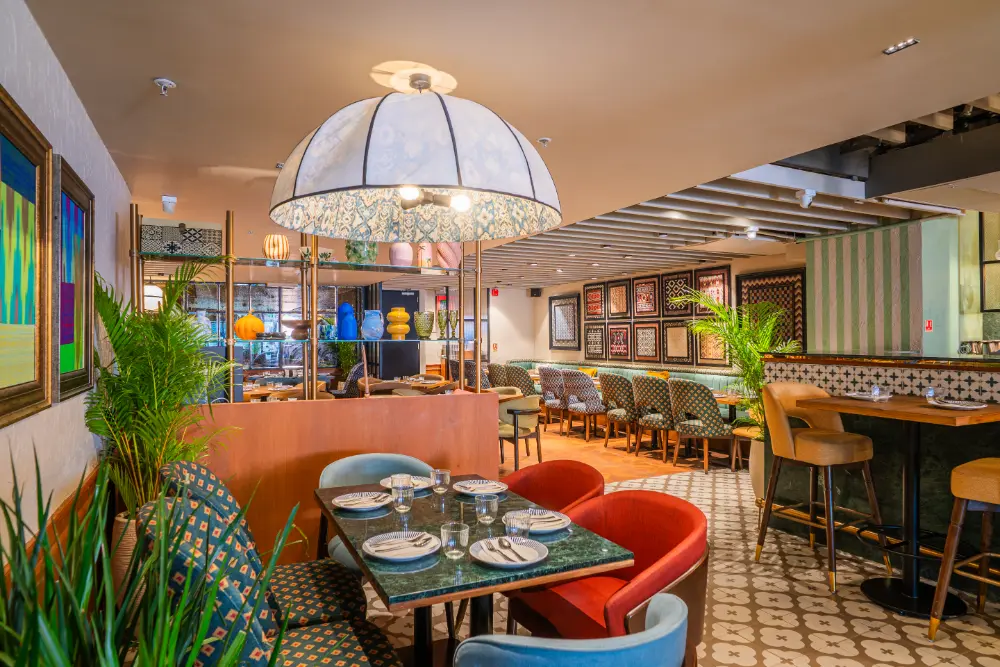 Inside Bombay Brasserie CyberHub
Do today's diners thrive on micro cuisines, and what has been your experience as a local favourite of Goa?
Today’s consumers are increasingly seeking meaningful culinary experiences that go beyond mainstream dining. Across the world, there is a growing appreciation for micro cuisines – regional food traditions that reflect the culture, history, and local identity of a place. Travelers and food enthusiasts are no longer satisfied with generic menus; they are actively exploring authentic flavors, traditional cooking methods, and stories behind the food they eat.
At Avo’s Kitchen Assagao, this evolving appreciation for micro-cuisine has been deeply encouraging. Guests visiting Goa are increasingly looking for the real taste of the region – not just popular dishes, but the warmth and honesty of traditional Goan home cooking. Avo’s Kitchen has embraced this demand by serving authentic recipes inspired by family traditions, village kitchens, and Goa’s rich coastal heritage.
From soulful fish curries and handcrafted masalas to traditional thalis and forgotten local delicacies, the experience at Avo’s Kitchen allows guests to discover Goa through its food. Many diners describe the experience as nostalgic, immersive, and comforting – a meal that feels less like restaurant dining and more like being welcomed into a Goan home.
For Avo’s Kitchen, this growing curiosity around regional and local cuisine is more than a dining trend; it is an opportunity to preserve Goa’s culinary identity while sharing its culture with a new generation of mindful and adventurous diners.