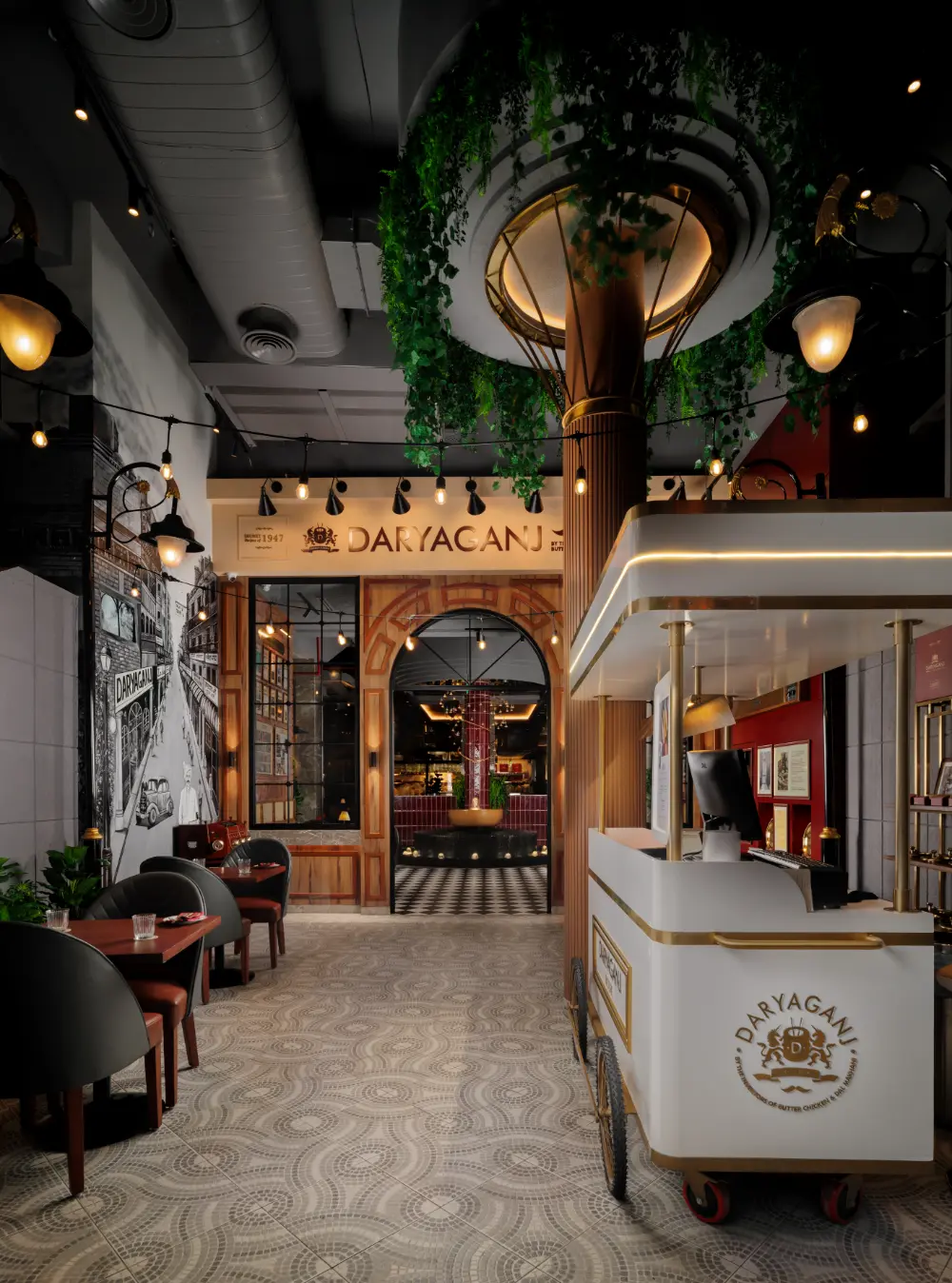
 The entrance to Daryaganj Gold with the Kulfi vendor
It’s been a nostalgic trip down the lanes of Daryaganj, the neighbourhood famous for being a business hub for newly settled refugees from Pakistan, after Partition. When Daryaganj (named after that very locality where its founders first resided) restaurant first swung open its doors in Aerocity Delhi, the brief was clear – bring back the north Indian staples that Delhi’s denizens grew up with.
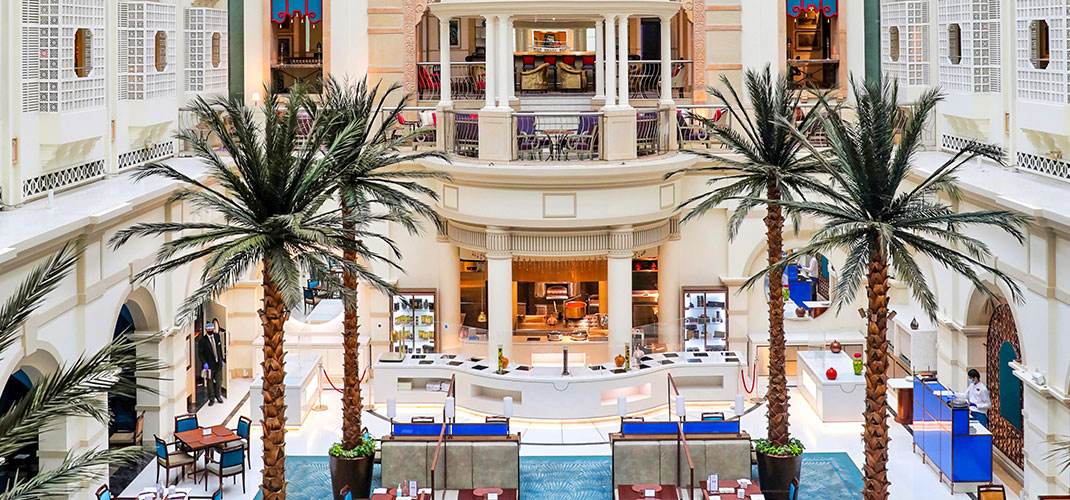
Today, Daryaganj’s latest avatar, Daryaganj Gold is its slicker, shinier older brother, plastered with sepia photographs of co-founder Raghav Jaggi’s grandfather, Kundan Lal Jaggi, the man who put butter chicken on the global map. And it’s also bigger. “Our regular restaurant has around 20 covers, this has 150 seats,” says Amit Bagga, co-founder and CEO of Daryaganj Restaurants, and Raghav’s childhood friend. “Plus, we’ve developed 12-13 dishes especially for this branch.”
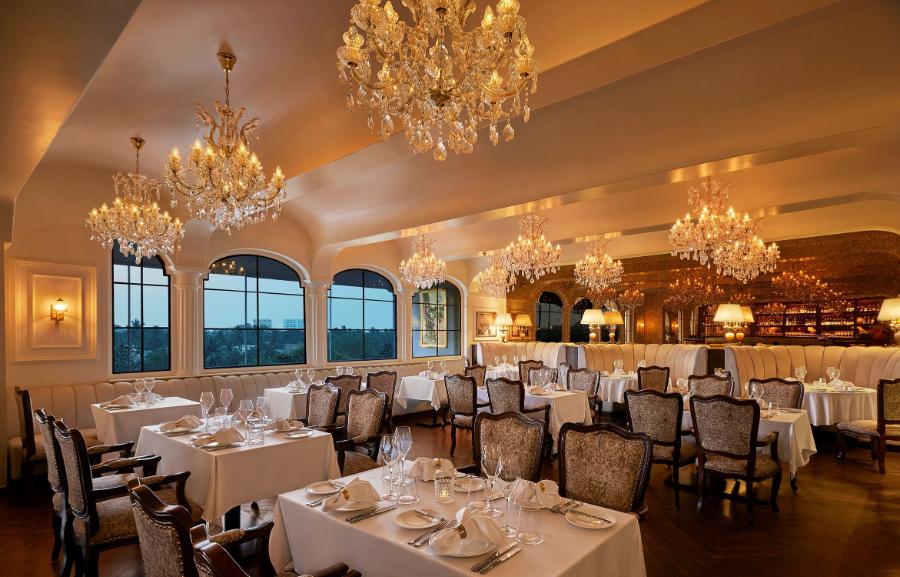
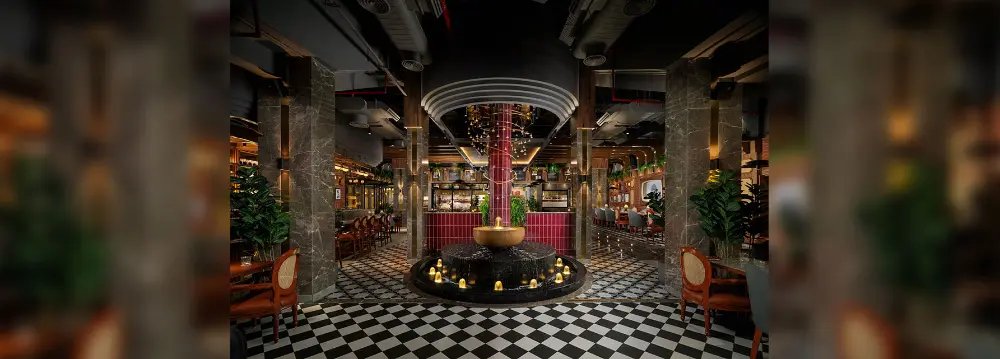
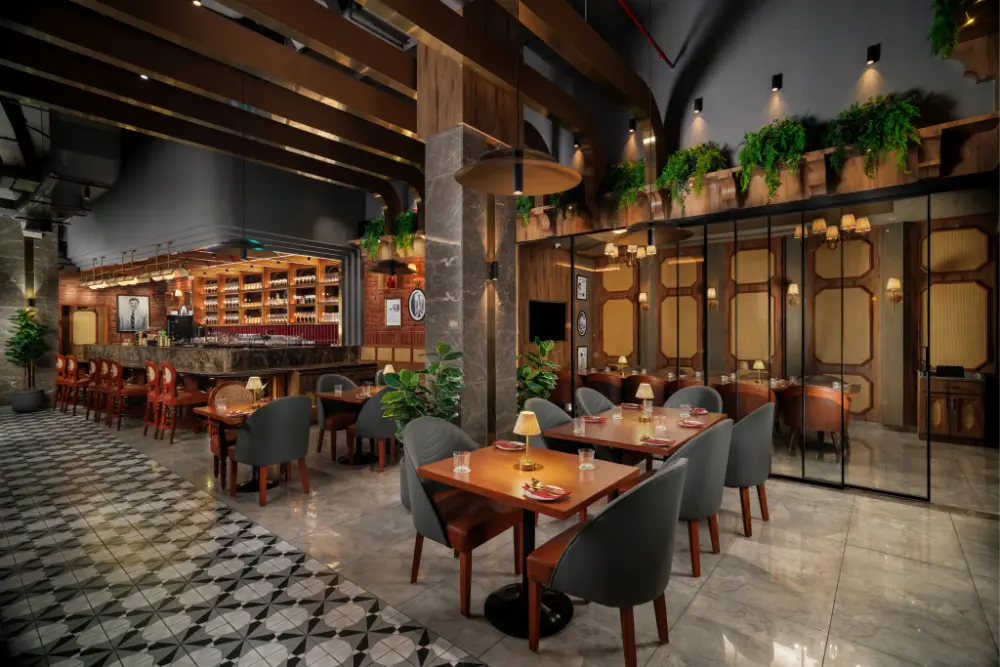 The Daryaganj Gold has 150 covers and two adjoining PDRs
At its core, sits the Daryaganj Classics Menu, beloved of guests since the original restaurant opened (earlier this year, the brand opened its first international branch in Bangkok.) But what makes this outlet special is the Daryaganj Gold Menu which is essentially a selection of classic dishes, but with an innovative twist. And that is exactly what we tried today.
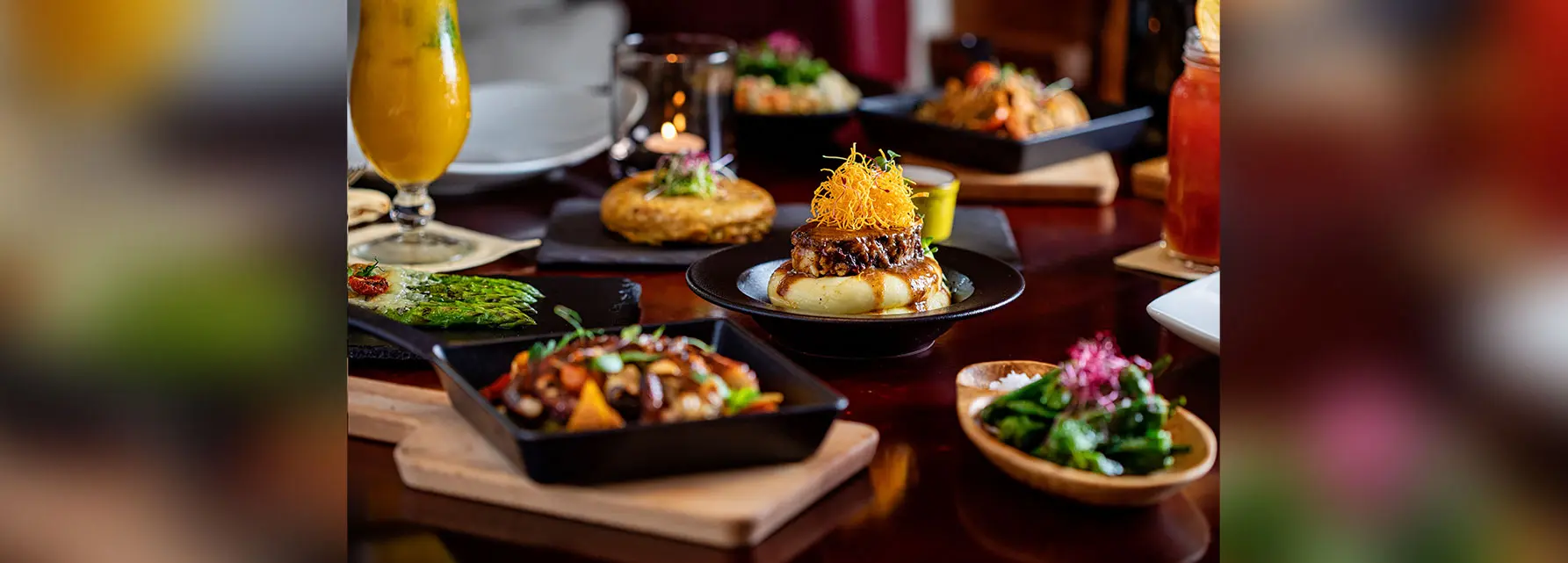
No Delhi food experience is complete without a good chaat – many chefs have introduced their versions, but what Chef Gaurav Pandey has done is create a Chaat selection, bursting with street flavours with that Daryaganj touch.
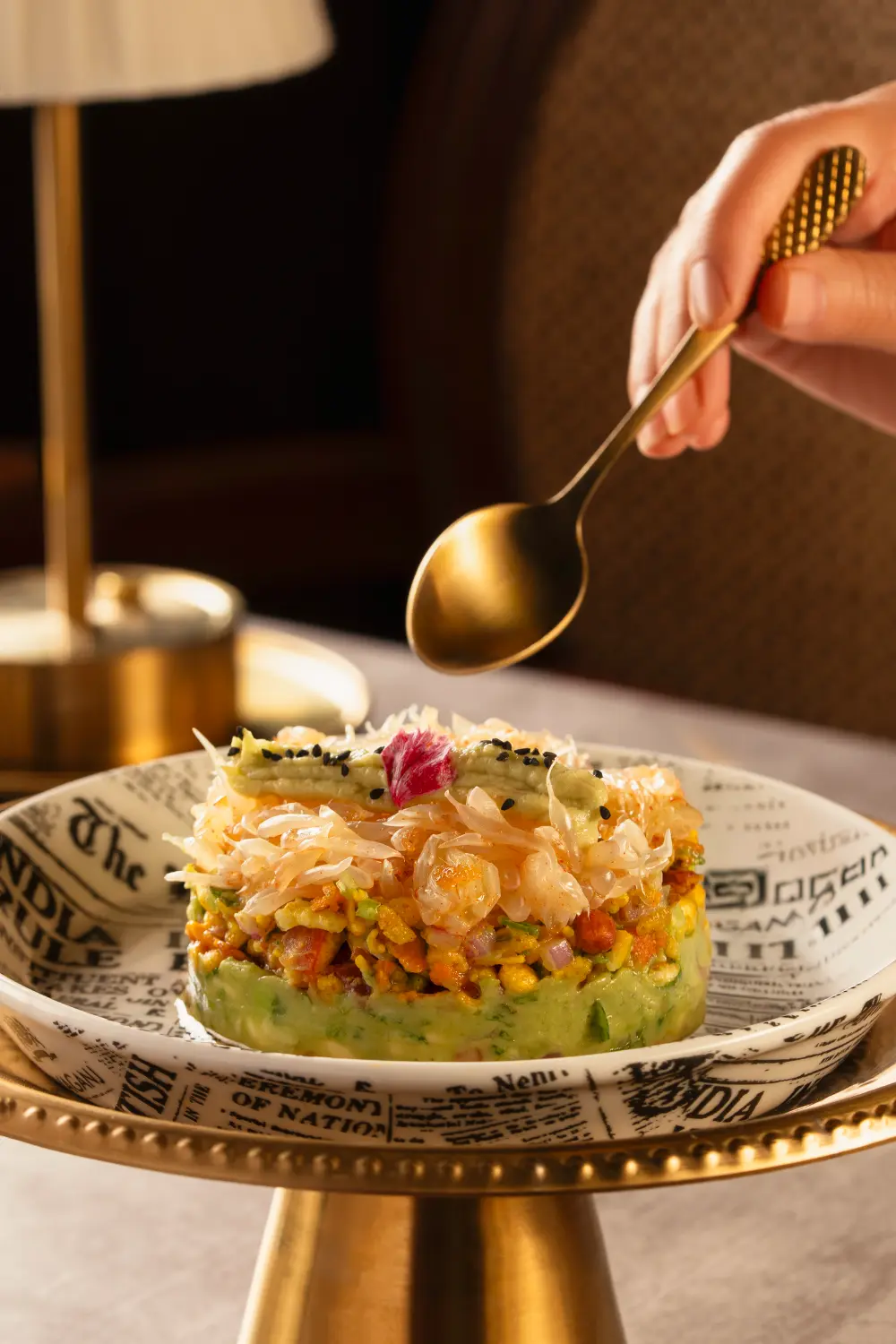 India Gate Avocado Bhel Puri
So there is a deliciously tangy Indian Gate Avocado Bhel Puri, which adds the current craze for avocado in the ever-popular street food still sold by hawkers at India Gate. Then came the Palak Patta Chaat with the crispiest deep-fired-in-batter spinach leaves, with soft chickpea and chutney.
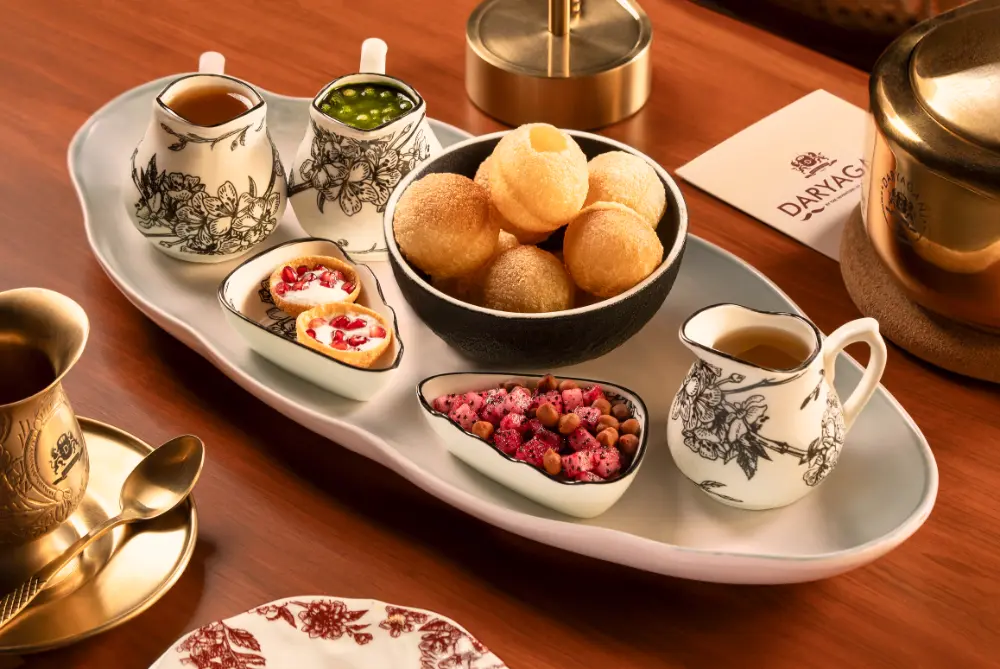 Gol Gappe Trio
The Gol Gappe Trio looks like a fancy dish, with each flavoured water – mint, tamarind, and hing, served in ceramic mini jugs on an oval platter with crisp golden puris filled with potato, pomegranate, raw mango, and avocado, a Dahi Bhalla Bingsu, with shavings of ice and chilled yogurt (forming a snow-like effect), that needs to be devoured quickly.
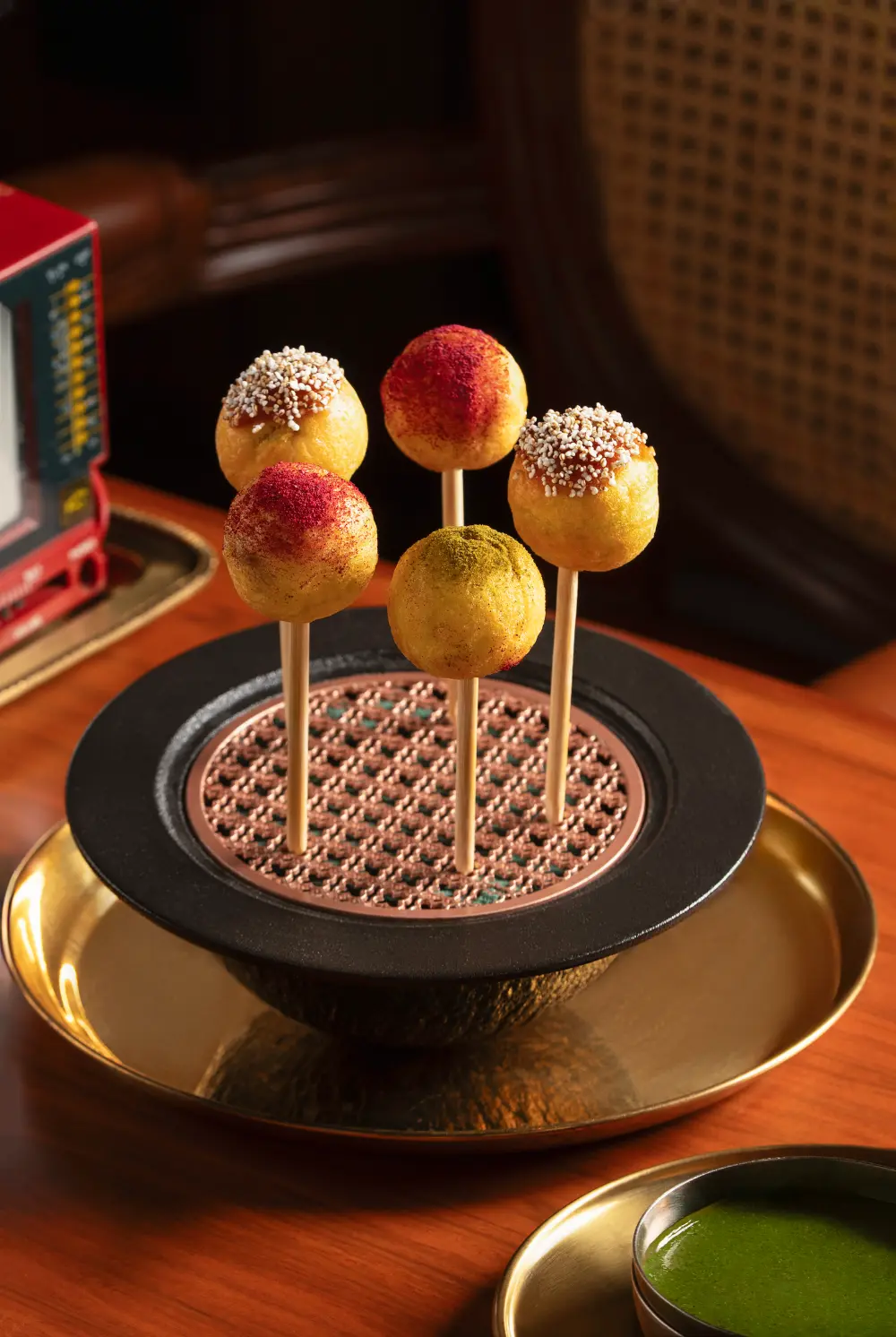 Mushroom Ram Ladoo
The Mushroom Ram Ladoo are like savoury lollipops served on sticks and literally melt in the mouth, with their earthy, mushroom and truffle oil flavours.
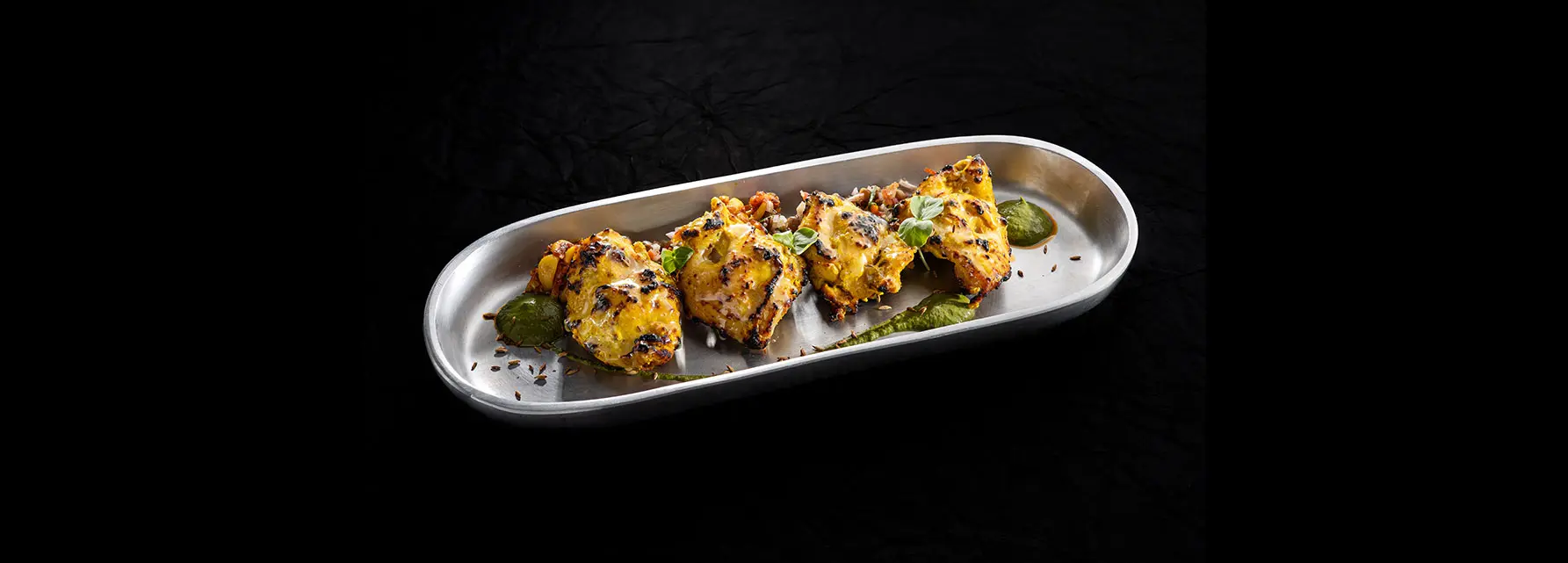
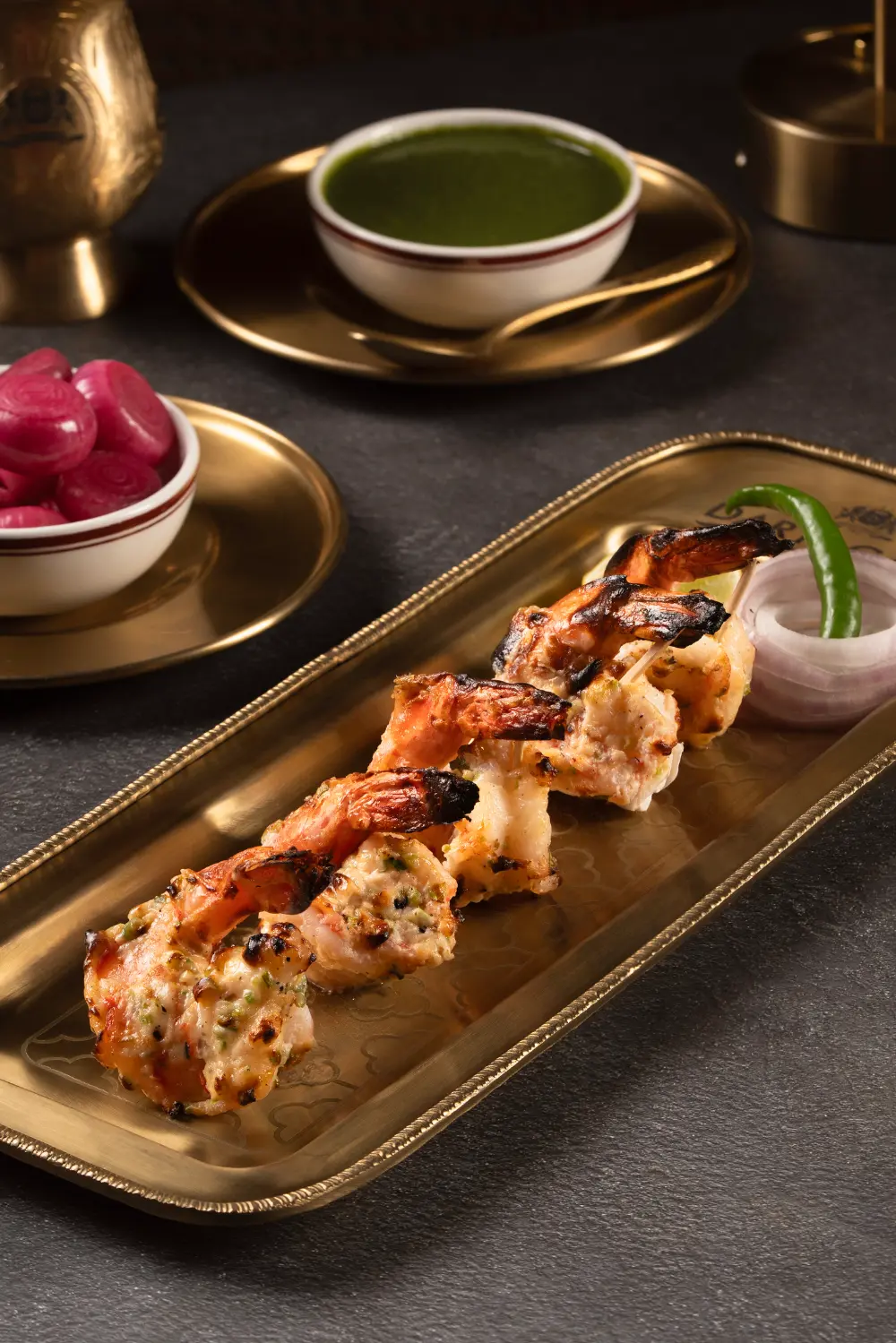 Tandoori Malai Jheenga
Then there’s a beautiful Gucchi Salad, with morels from Kashmir – with lettuce leaves, and a creamy citrusy dressing, a parmesan papad, and a fun to bit into chia seed crisp. We get to sample a delicious Norwegian Salmon Tikka, a Dahi Kebab, Tandoori Malai Jhinga, a Chicken Tikka Chaat, and a Nargisi Kofta, minced meat encasing a boiled egg (which is in the main menu, originally served by Kundan Lal Jaggi in 1947, and the inspiration behind UK’s famous Scotch Eggs).
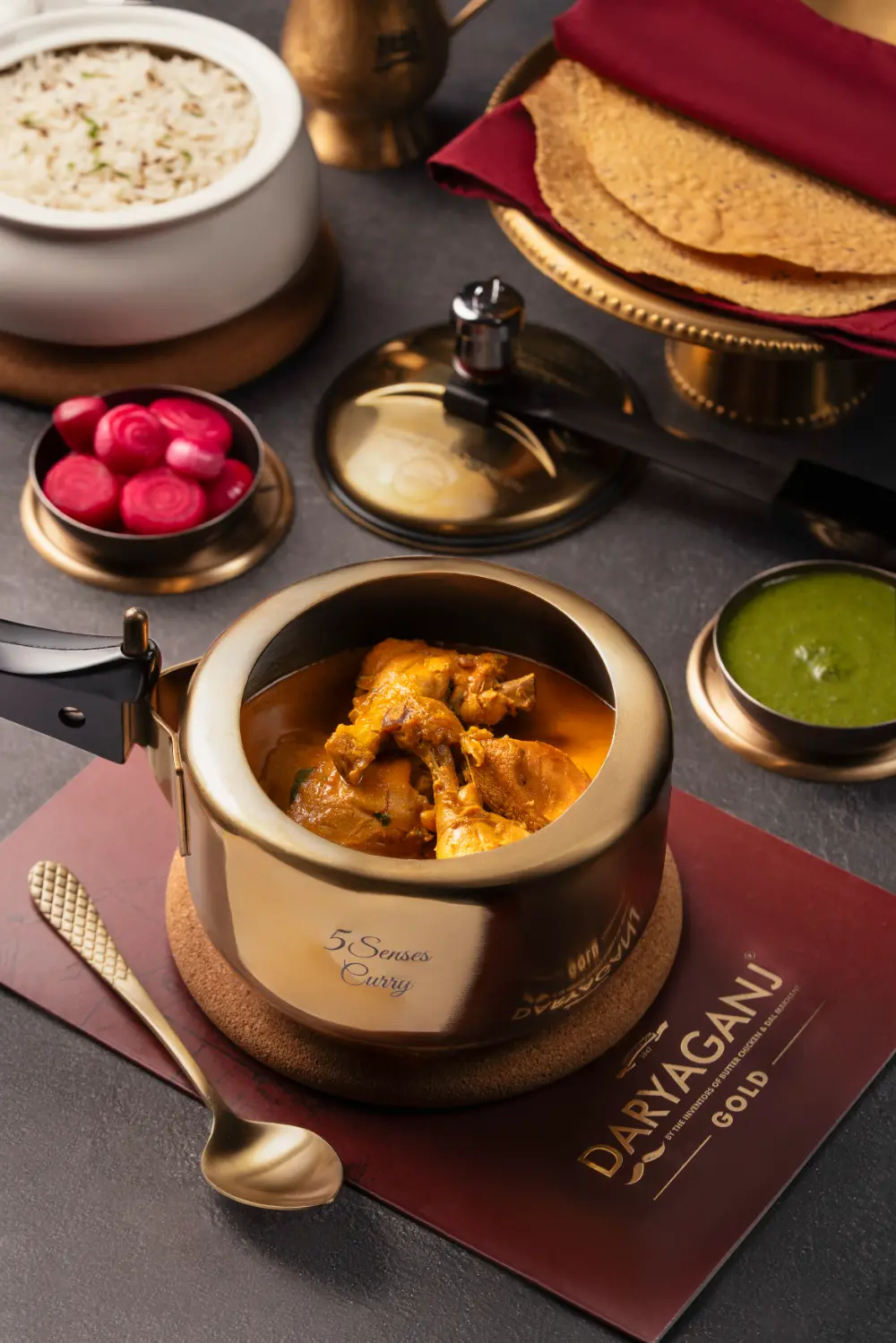 Five Senses Chicken Curry
The pièce de resistance is the Five Senses Mutton Curry that is lamb/chicken on the bone, that has been slow cooked with tomatoes, onions, and whole spices, and briefly cooked in a pressure cooker, and dramatically the whistle of the cooker is gently lifted at the table for maximum effect.
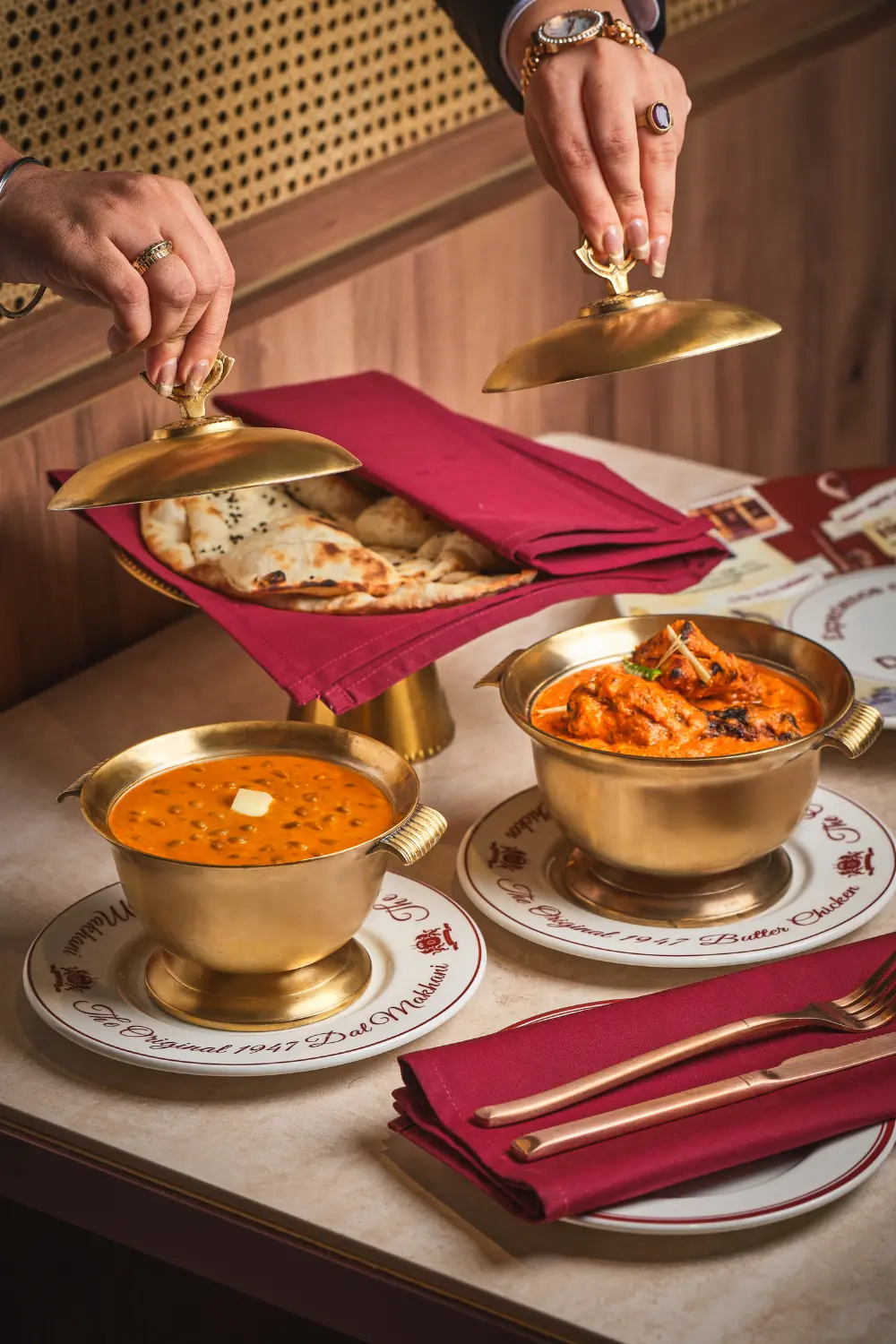 The original 1947 Dal Makhani and Butter Chicken
I taste the Gucchi Pullao, a delicate basmati rich with tasty morels and spices, the Butter Paneer (the vegetarian version of Butter Chicken) – the inhouse specialty by the inventors of this powerful Indian dish, that has become a world cult favourite. The Dal Makhni on the side, with morsels of naan, complete the dinner. The Dal Makhni is also a Jaggi creation, and has become an obsession all over the world.
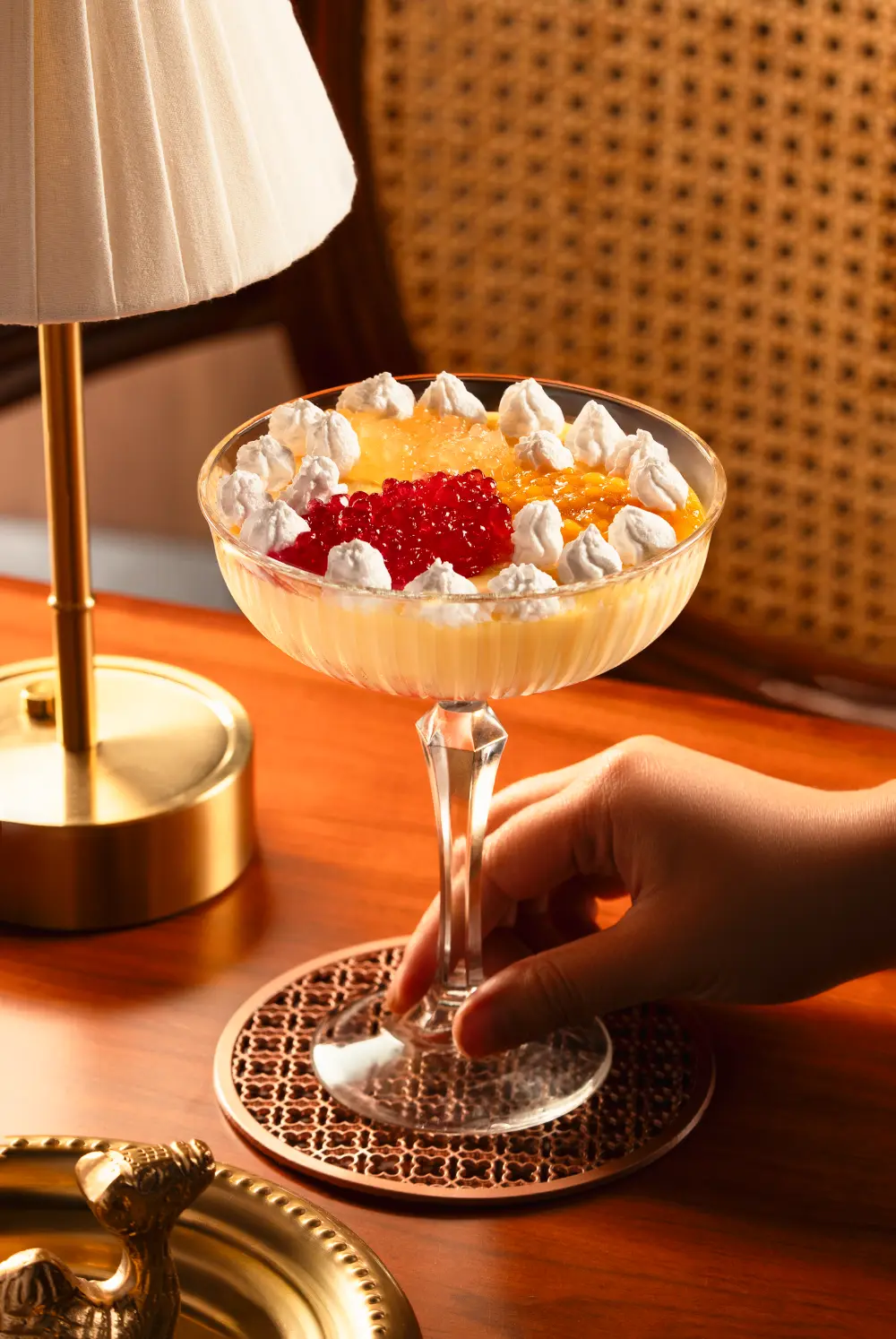 Jelly Fruit Cream Custard
On the sweet side, we are bowled over by the Jelly Fruit Cream Custard (strawberry jelly and custard with fresh fruit, topped by a red fruit caviar) served in a glass cup – as champagne was served at the time, and not in flutes, and the softest, sweetest Gulab Jamuns that are impossible to resist.
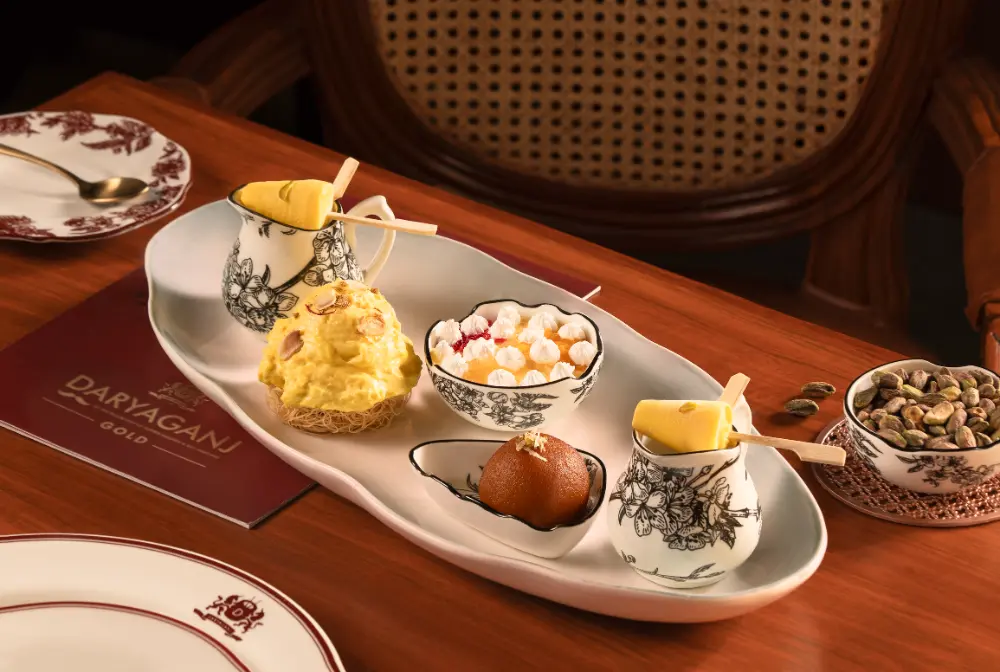 A dessert platter with Gulab Jamun and Kulfi
The beverage menu celebrates India, as it once was – with Laung da Lashkara (gin with clove and cardamom), Gulabo (vodka, lemongrass, kaffir lime and homemade lychee concentrate), Mango Gold (with mango infused tequila, condensed milk, and gherkin brine), Do Rum (Dark and White Rum with passionfruit, honey and brown sugar), and other cocktails named Anarkali, Jashn e Daryaganj, and Biryani on the Rocks (never thought a cocktail would come with a biryani flavour!).
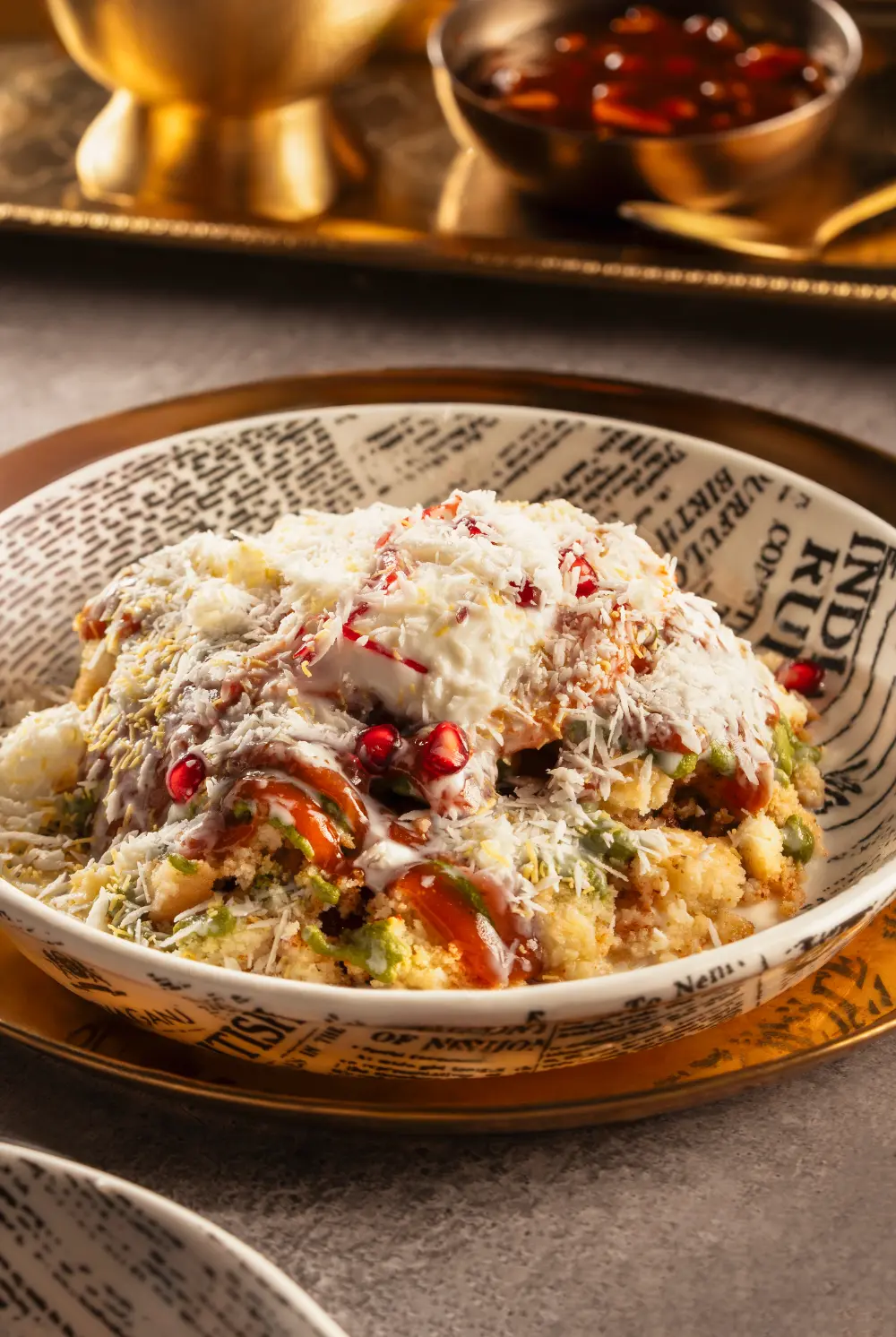 Dahi Bhalla Bingsu
The brand’s core Daryaganj classics are guided by Chef Deep Chand Dobriyal, who shaped and preserved the flavours that define the restaurant’s menu.
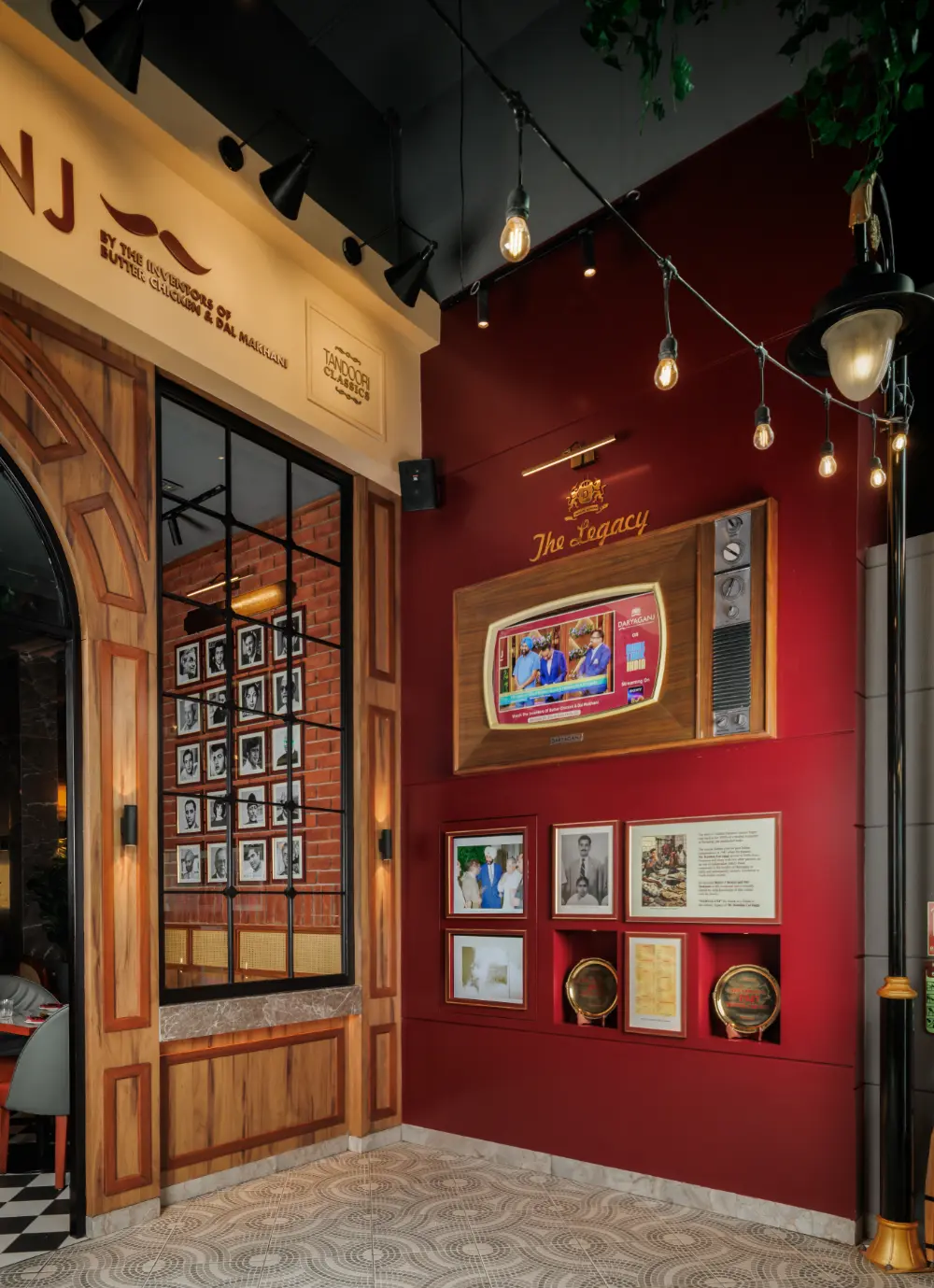 The Daryaganj Gold wall with photos of Kundal Lal Jaggi and videos
These recipes came from the heart of Kundan Lal Jaggi, who passed them on to his grandson Raghav and co-founder Amit – as he was the chef at the original restaurant in Daryaganj, he knew every dish created back then, learned from Mokha Singh, a restaurateur from Peshawar. “In the 1950s, the restaurant became so popular that Pandit Nehru came to dine there, and they would cater for him,” says Amit. “But by 1992, Kundan Lal Jaggi had exited the restaurant business for good, and his business partners went on to found another restaurant in another location.”
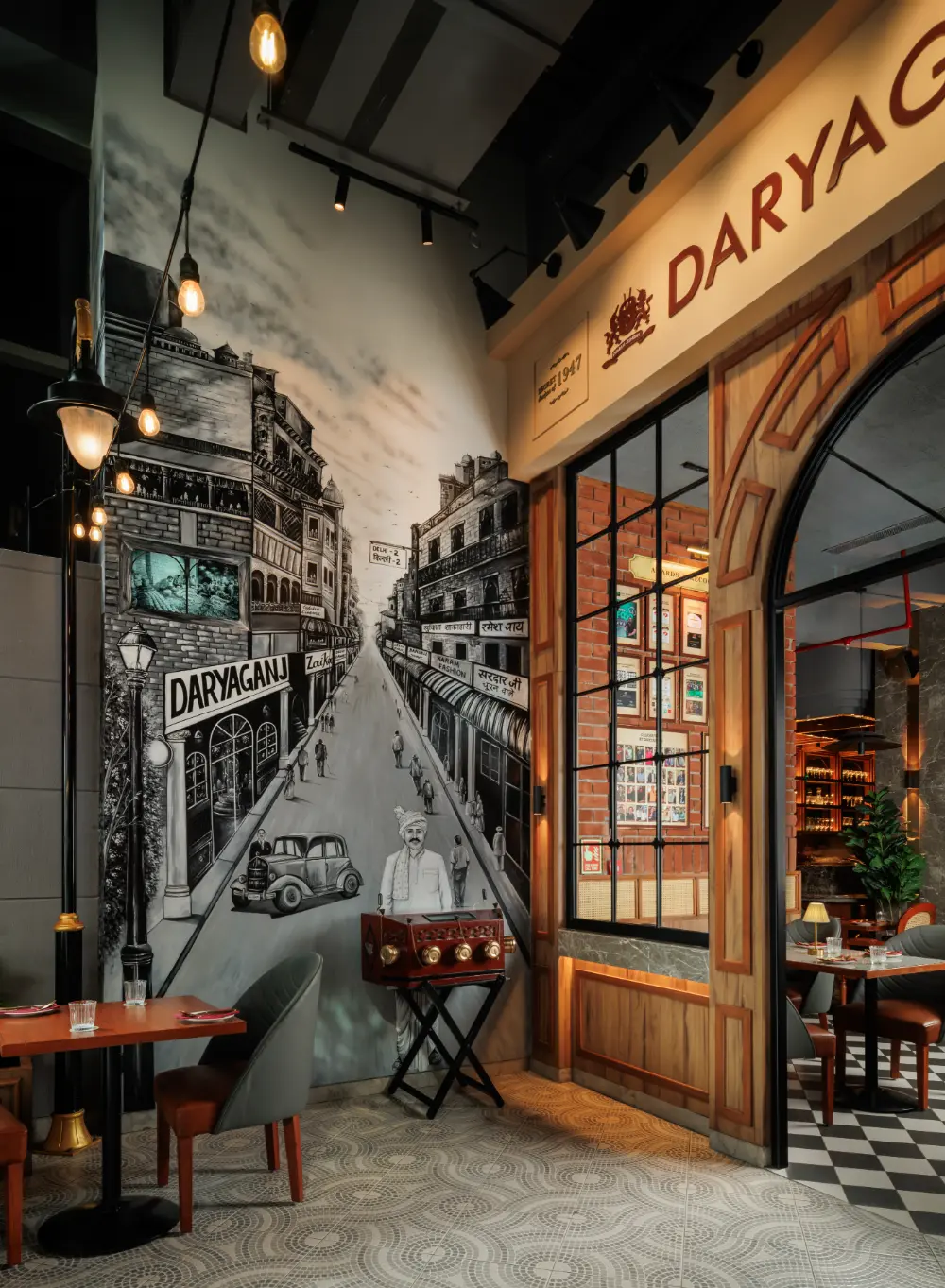 A graphic mural at the entrance, with embedded video and 3D vendor.
The late Kundal Lal Jaggi’s legacy would only be revived more than 35 years later, with the opening of the first Daryaganj, a brand new identity that celebrated the person behind the dishes, rather than the 1940s restaurant.
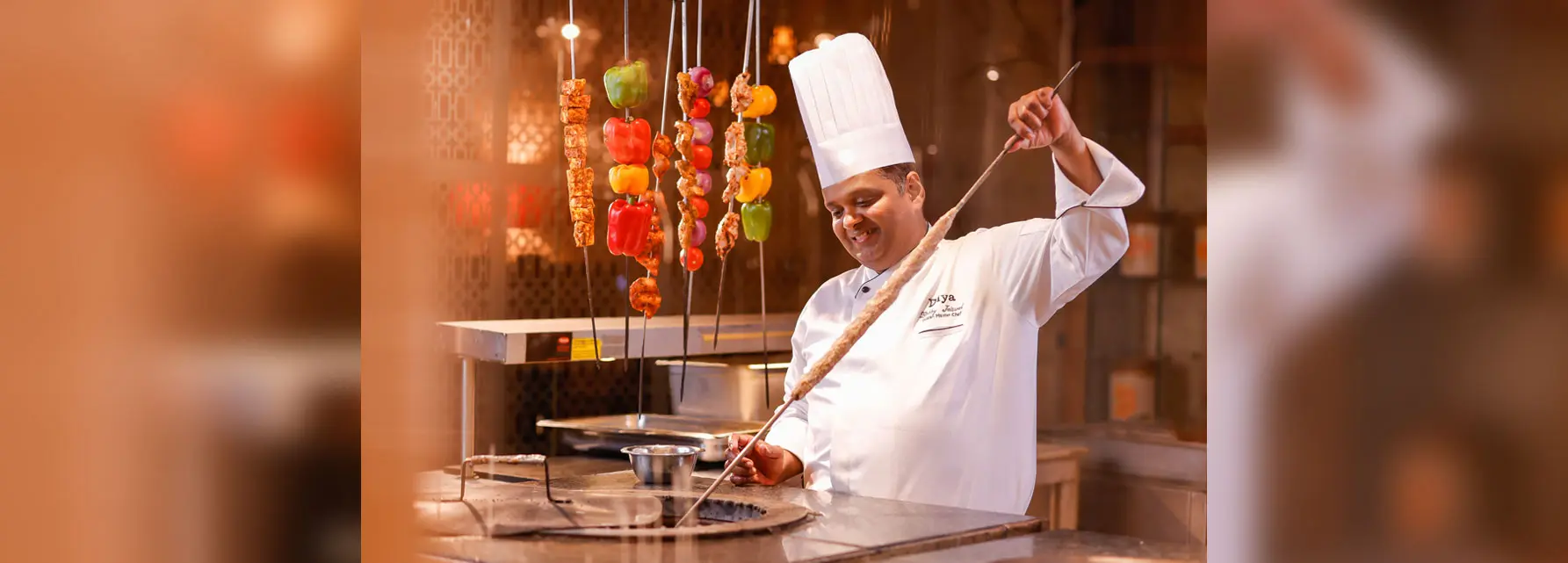
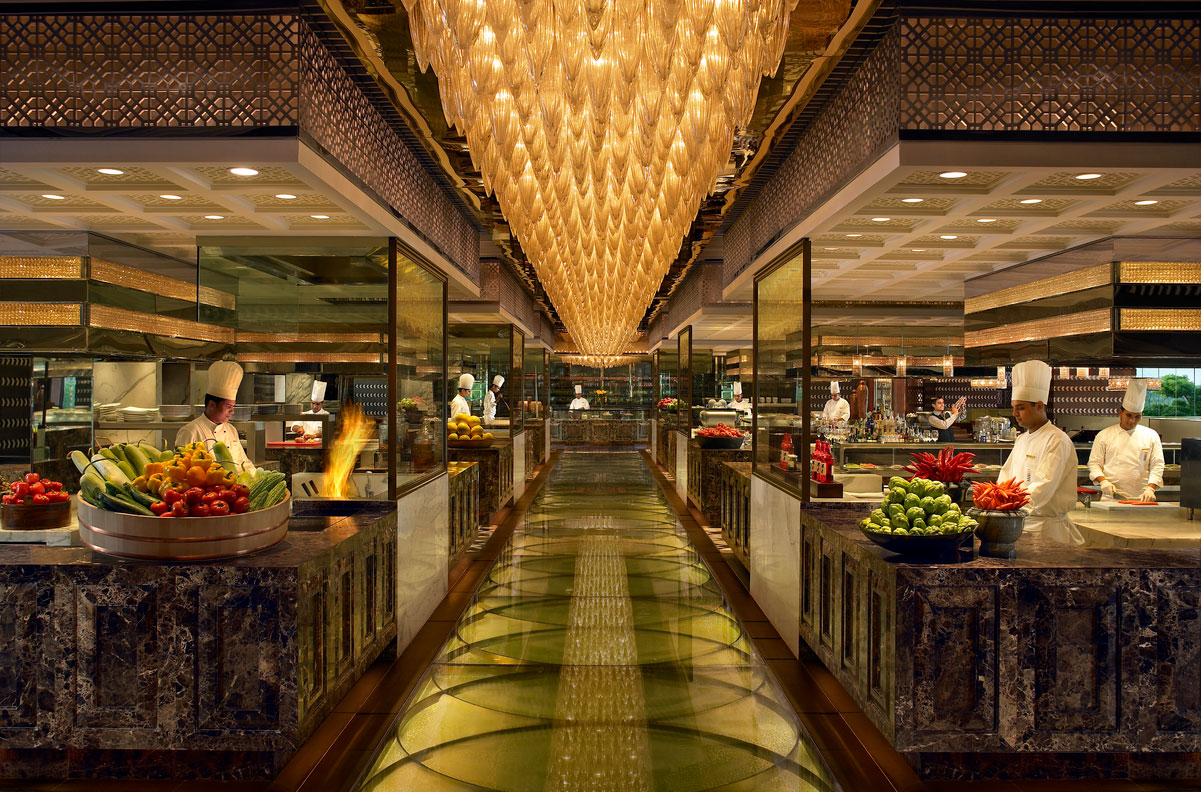
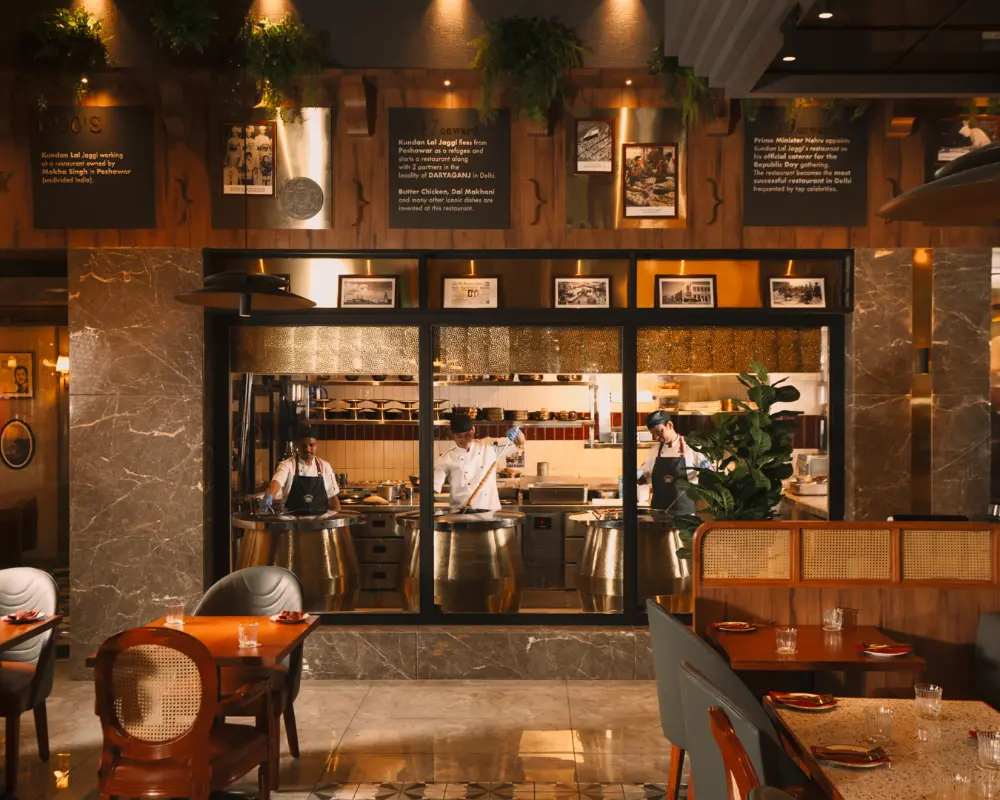 The open kitchen shows chefs at work
The new Daryaganj Gold wins by design. With an antechamber with a quaint kulfi stand, graphic murals of 1940s Daryaganj, embedded with AI-enhanced videos of chefs at work in Mr Jaggi’s first restaurant, to the stunning black granite fountain that graces the centre of the restaurant, with the bar on one side, there is an the open kitchen at the back, separated just by glass.
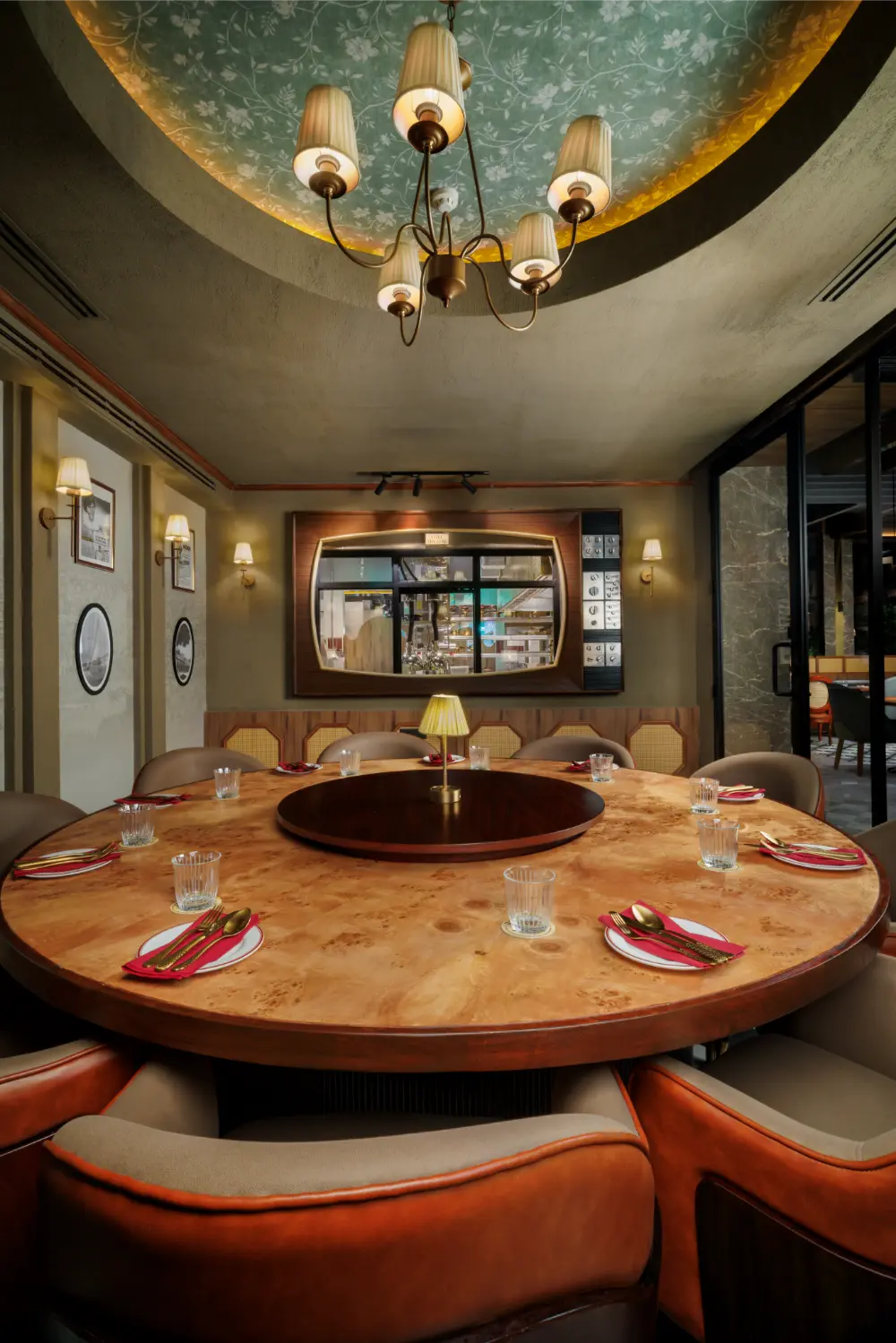 The PDR with the Chef's Theatre facing the round table
“We believe in an honest approach, cooking right in front of you,” says Amit. Two PDRs can be climate controlled separately, and can be joined for one large group, with one of them opening to a Chef’s Theatre, that offers chef-led meals, where guests are invited to engage closely with the chefs and learn the craft behind each authentic creation. There is also a live tawa and chaat section to recreate all the colour of Indian street food.
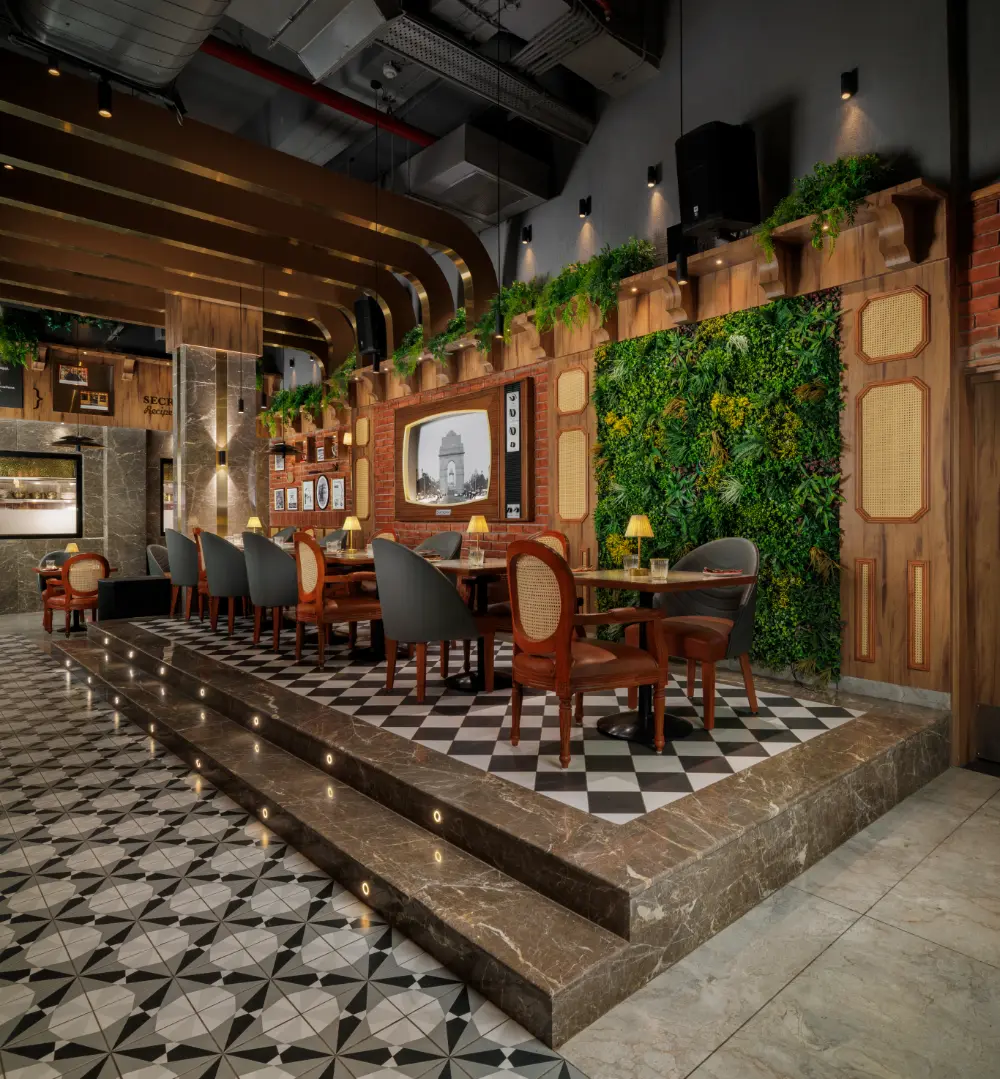 An elevated portion which becomes a stage for a live band
Evenings at Daryaganj Gold feature Daryaganj Studio Nights bringing a mix of experiences, with curated renditions of classic tracks by new artists, and soon, there will be live, unplugged performances three times a week to add to the vibe of the space.
The name Gold is a tribute to Swaran Jaggi, wife of Kundan Lal Jaggi, whose culinary legacy continues to inspire what Daryaganj serves today, as ‘Swaran’ means gold in Sanskrit. “Today, we’ve got 15 restaurants, including one overseas,” says Amit. “We’ve reached revenues of INR 100 crore. We are now taking a step back and consolidating our business.” May you reach gold-en heights, we say!